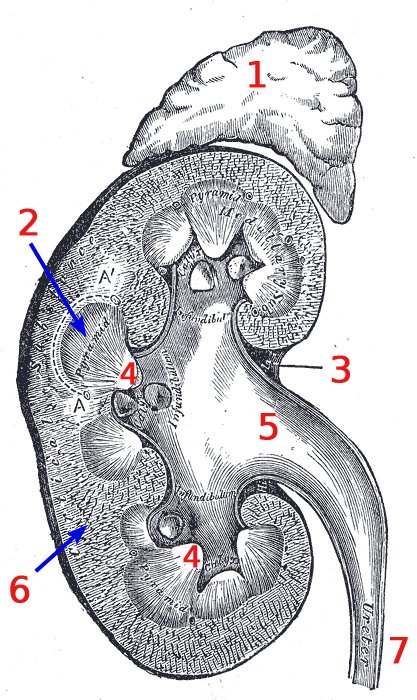
Yes, in limited experimental settings: researchers can vitrify (cool into a glass-like state without ice) whole organs with cryoprotectant chemicals, store them at about −150 °C, then rewarm them with a technique called nanowarming. Iron oxide nanoparticles infused in the organ heat it evenly when an electromagnetic field is applied, which helps avoid cracking from uneven thawing.
In October 2026, a University of Minnesota team reported that human-scale pig kidneys stored this way for up to a year regained blood flow and produced urine after rewarming and short transplant tests—though function was still below normal and cryoprotectant injury remains a hurdle before human use.