What does EBITDA mean?
EBITDA stands for earnings before interest, taxes, depreciation, and amortization — a common operating-performance metric used to compare businesses and assess ability to generate cash before financing and non-cash charges.

Add a custom archive category description here.
EBITDA stands for earnings before interest, taxes, depreciation, and amortization — a common operating-performance metric used to compare businesses and assess ability to generate cash before financing and non-cash charges.

An index fund is a mutual fund, exchange-traded fund (ETF), or unit investment trust that follows a passive strategy designed to match the return of a particular market index—such as the S&P 500—before fees. It typically does this by holding the stocks or bonds in that index, or a representative sample of them. Because the … Read more
Roth IRA contributions are never tax deductible. You contribute after-tax dollars; the IRS benefit is qualified tax-free growth and withdrawals, not an upfront deduction.
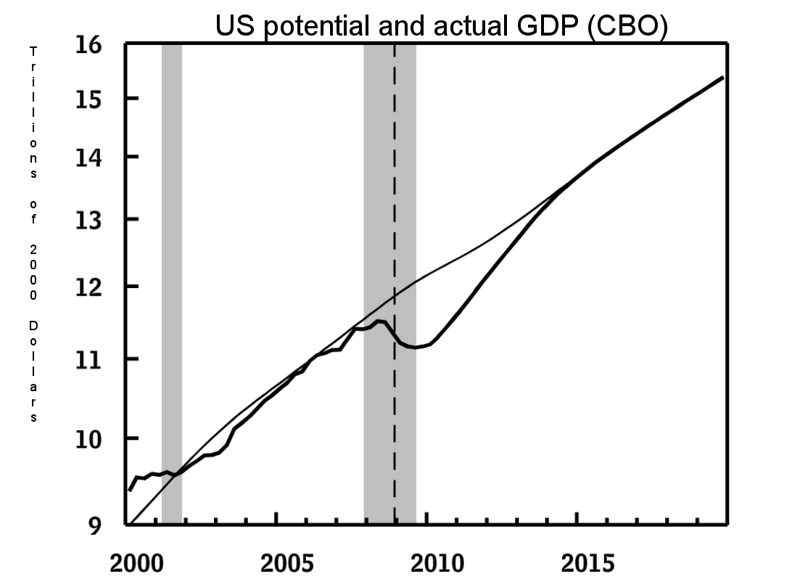
Both measure an economy’s total output of goods and services in inflation-adjusted dollars. Real GDP is what was actually produced; potential GDP is an estimate of what could be produced with high use of labor and capital.
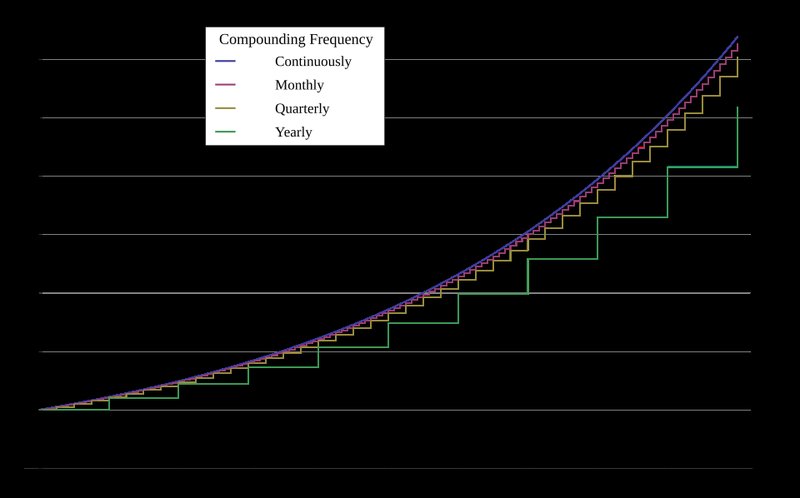
The Rule of 72 estimates years to double by dividing 72 by the annual rate (for example, 72/9 ≈ 8 years). The Rule of 69 (often 69.3) is a tighter estimate for continuous or daily compounding (69.3/9 ≈ 7.7 years).
A Roth IRA conversion moves money from a traditional, SEP, or SIMPLE IRA into a Roth IRA. Untaxed amounts are taxed as income in the year you convert, there is no income limit, it is reported on Form 8606, and since 2018 it cannot be reversed.
A credit freeze stays in place until you lift it. It is free to place and lift, does not hurt your credit score, and can be lifted temporarily when a lender needs to check your credit.
Yes, if the FSA is limited-purpose (dental, vision, preventive) or post-deductible; a general-purpose health FSA generally blocks HSA contributions, per IRS Publication 969.
A stock buyback is when a company repurchases its own shares, reducing the number outstanding; it is an alternative to dividends for returning cash to shareholders.
Buy a stock on or after its ex-dividend date and you will not get the next dividend; buy before it and you will.