A stock buyback, also called a share repurchase, is when a company uses its own cash to buy back shares of its stock, most commonly on the open market. The repurchased shares are either retired or held as treasury stock, which reduces the number of shares outstanding, so each remaining share represents a larger slice of the company’s earnings. Companies use buybacks as an alternative to dividends for returning cash to shareholders, to signal that they think the stock is undervalued, or to offset the dilution caused by issuing stock to employees. In the U.S., publicly traded companies have paid a 1% federal excise tax on the value of their repurchases since January 1, 2023, under the Inflation Reduction Act of 2022.
Source: Congressional Research Service, “The 1% Excise Tax on Stock Repurchases (Buybacks)” (R47397)
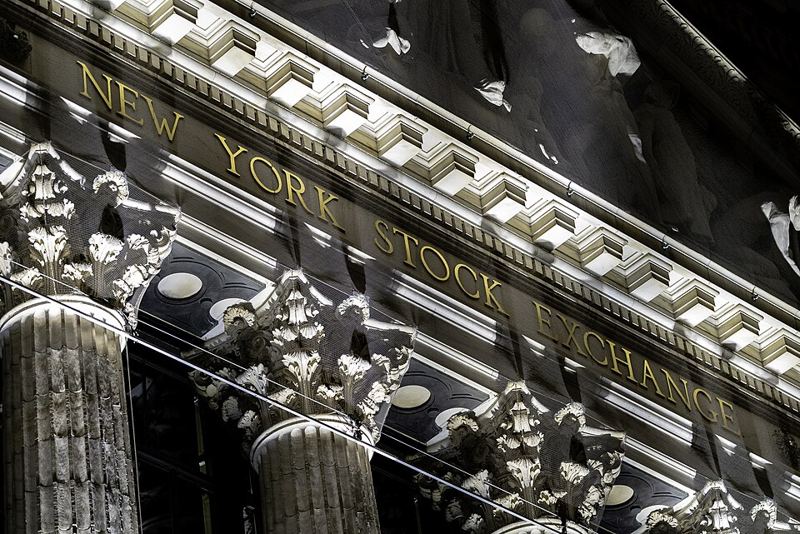
Image: Sign of the New York Stock Exchange, Broad Street (photo: Billie Grace Ward, CC0), via Wikimedia Commons.