How do subduction zone volcanoes form?
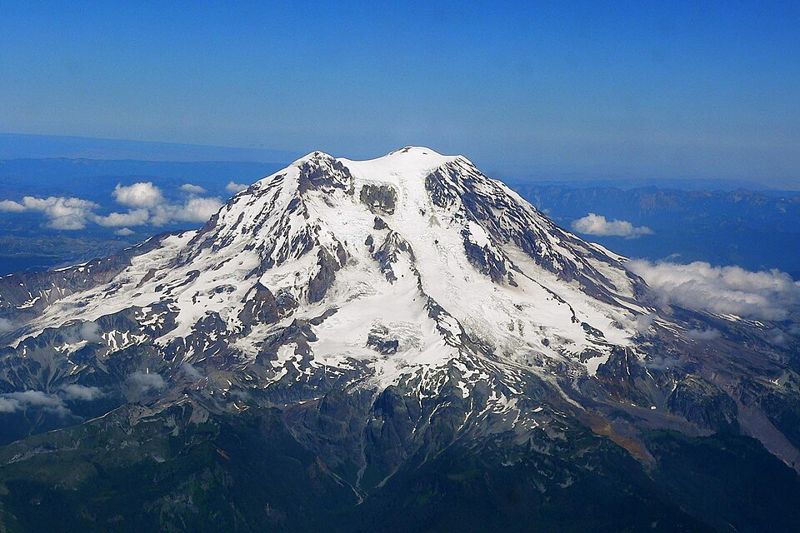
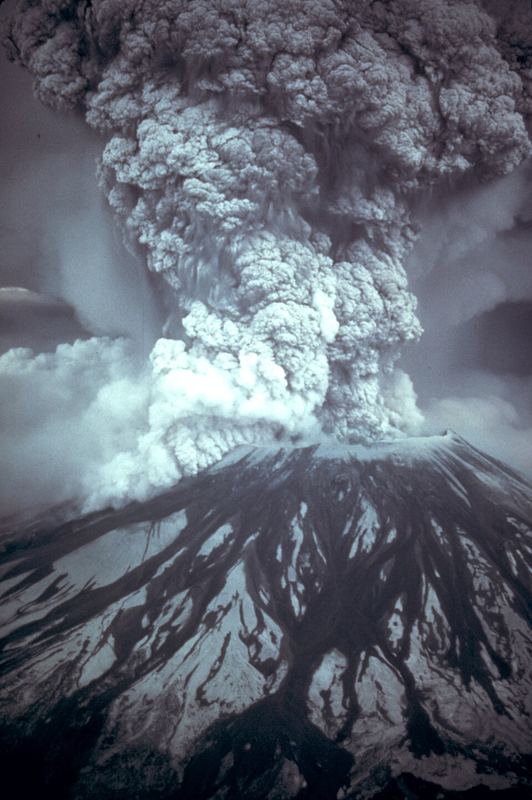
They form when a sinking oceanic plate releases water into the hot mantle above it, lowering its melting point; the resulting magma rises to build steep, often explosive volcanoes in arcs like the Cascades.

Add a custom archive category description here.
They form when a sinking oceanic plate releases water into the hot mantle above it, lowering its melting point; the resulting magma rises to build steep, often explosive volcanoes in arcs like the Cascades.

Possibly. A long-term study from Oregon Health & Science University of nearly 200,000 participants in the Nurses’ Health Study, Nurses’ Health Study II, and Health Professionals Follow-up Study found that people who regularly ate after dinner or after bedtime had a 20% to 30% higher risk of liver disease than those who did not eat … Read more
Bacteria are prokaryotic cells with no nucleus: a plasma membrane, cytoplasm, 70S ribosomes, and a nucleoid of circular DNA, usually inside a peptidoglycan cell wall, often with capsules, pili, or flagella.
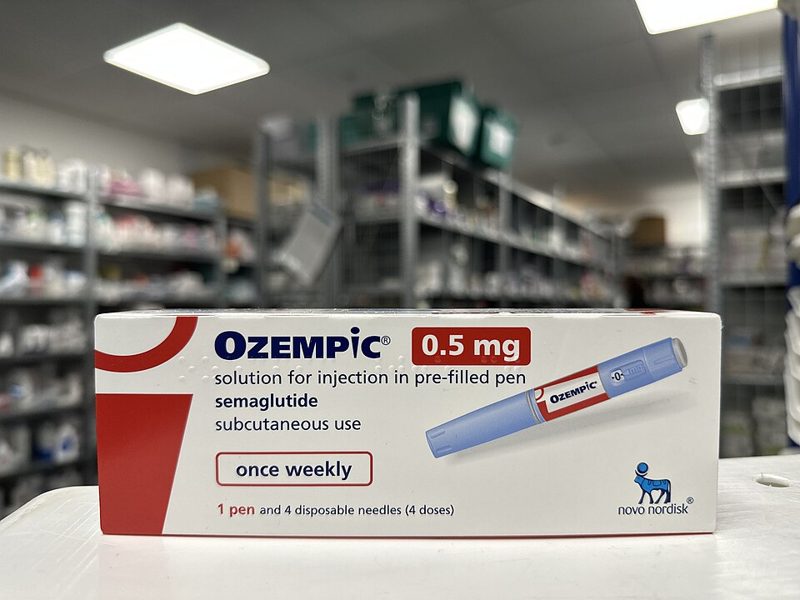
A new study links GLP-1 drugs such as semaglutide (Ozempic, Wegovy) and tirzepatide (Mounjaro, Zepbound) to a small increase in the risk of ischemic optic neuropathy, a rare condition in which reduced blood flow to the optic nerve causes sudden, often permanent loss of part of the vision in one eye. Rutgers researchers who analyzed … Read more
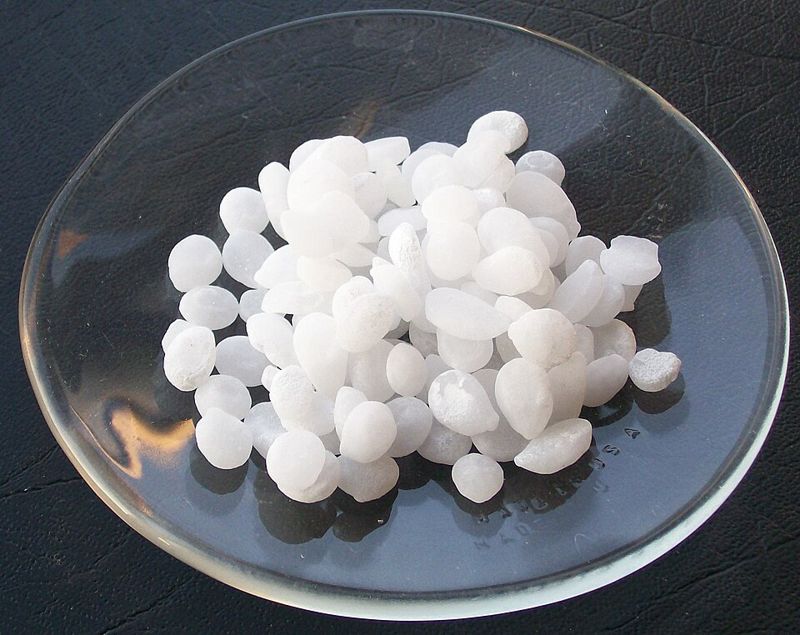
A strong base such as sodium hydroxide ionizes completely in water, while a weak base such as ammonia only partly reacts with water to form hydroxide ions.
Stratovolcanoes, or composite volcanoes, are steep, conical volcanoes built from layers of viscous lava, ash, and pyroclastic flows, and they are known for explosive eruptions.
Not very close, according to a new analysis. Germany’s last reactor experiment, the B8 pile that Werner Heisenberg’s team assembled at Haigerloch in 1945 using cubes of natural uranium suspended in heavy water, never reached criticality (a self-sustaining chain reaction). Heisenberg later said it needed only a modest amount of extra uranium, but researchers led … Read more
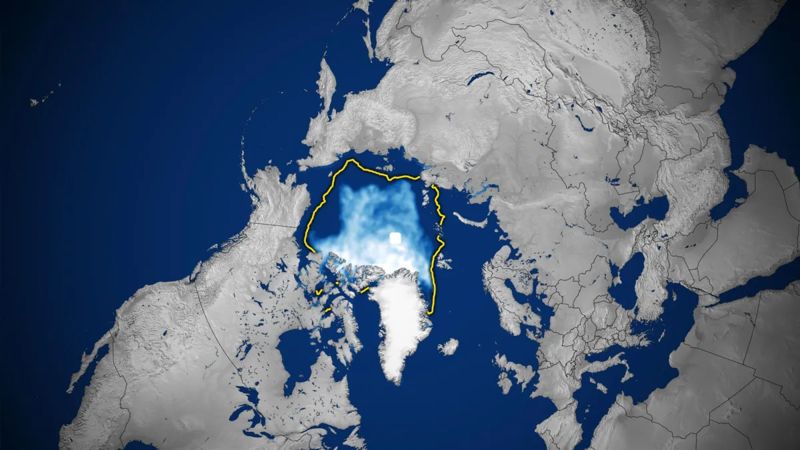
Arctic sea ice reached its 2026 annual minimum on September 12, covering about 4.6 million square kilometers (1.78 million square miles). According to NASA and the National Snow and Ice Data Center, that tied 2008, 2010, and 2025 for the 10th-lowest minimum since satellite records began in late 1978. The smallest extent on record is … Read more
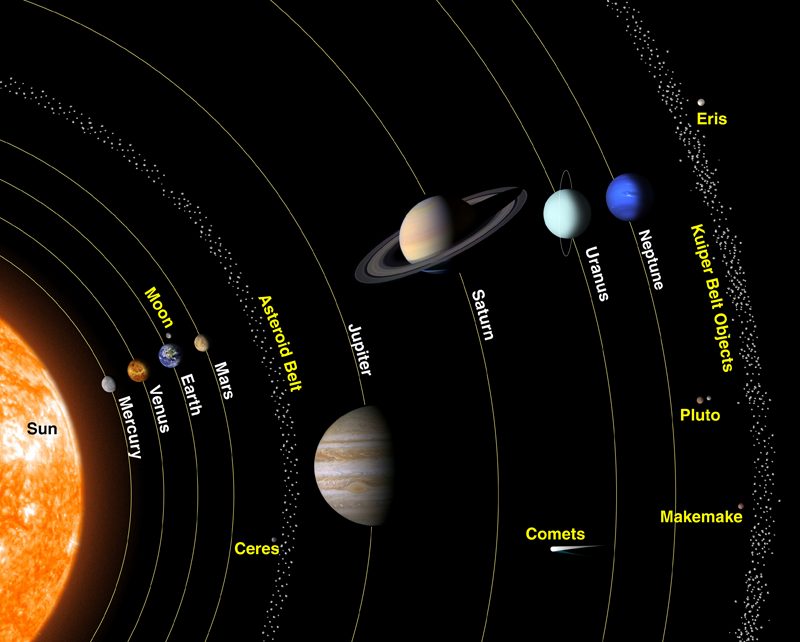
Celestial bodies are natural objects in space such as stars, planets, dwarf planets, moons, asteroids, and comets; astronomers often use the term interchangeably with astronomical object.
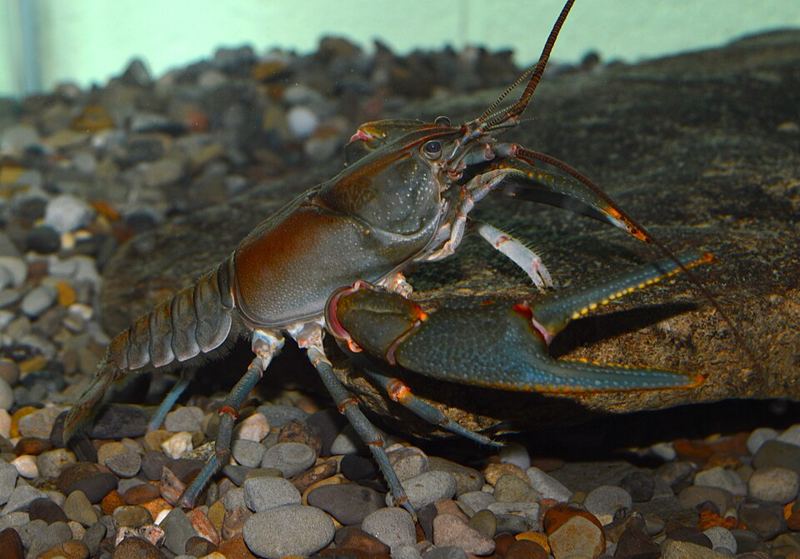
The largest known North American crayfish is a Tennessee bottlebrush crayfish held in the Astacology Collection at West Liberty University in West Virginia. Collected in 2011 by Zac Loughman and West Liberty students, it measures 86.6 millimeters (about 3.4 inches) in body length, not counting its tail, claws, or antennae. The record comes from a … Read more