EBITDA means earnings before interest, taxes, depreciation, and amortization (often pronounced “ee-bit-dah”). It is a widely used measure of a company’s operating performance that starts from earnings and adds back interest, taxes, and non-cash charges for depreciation of physical assets and amortization of intangibles such as patents.
Banks and investors often use EBITDA to compare similar businesses and to gauge cash-generation capacity, because it strips out financing choices and tax differences that can vary between companies. It is not the same as net income or a complete cash-flow figure, and it is not a GAAP measure. One common calculation adds interest, tax, depreciation, and amortization back to net profit; another adds depreciation and amortization to operating profit (EBIT).
Source: British Business Bank: What is EBITDA?
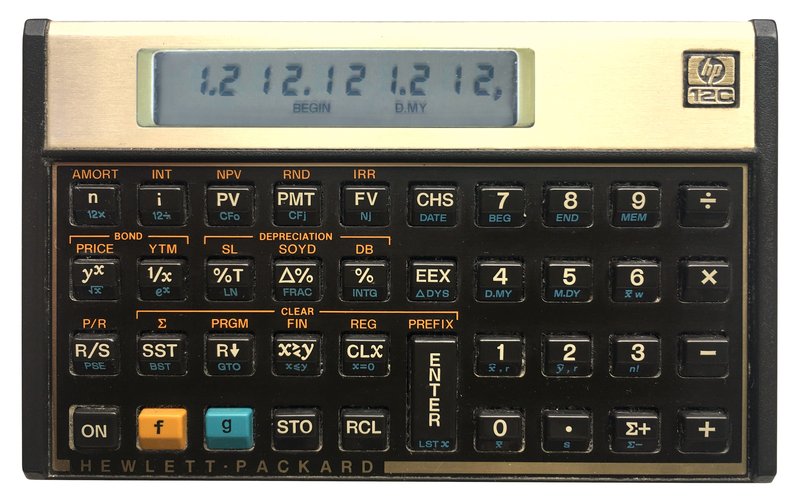
Image: Hewlett-Packard HP-12C financial calculator (1988), CC0, via Wikimedia Commons.