
In laboratory tests, many do. A University of Cambridge team exposed 25 species of human gut bacteria to 39 commercially available low-calorie sweeteners, both artificial and naturally derived, and found that about three out of four sweeteners changed the growth of at least one species. Some slowed or completely stopped the growth of bacteria linked to a healthy gut, and different sweeteners affected different microbes.
The effects also shifted when sweeteners were combined with everyday substances such as caffeine, vanillin, or common medications: more than 100 combinations changed a sweetener’s effect, strengthening it in 34 cases and weakening it in 68. The strongest result paired the sweetener isosteviol with the antidepressant duloxetine, which sharply inhibited the gut bacteria Roseburia intestinalis and Parabacteroides merdae. The researchers stress that these were lab experiments, not human studies, so they do not show that sweeteners harm people’s health. The study was published in Molecular Systems Biology.
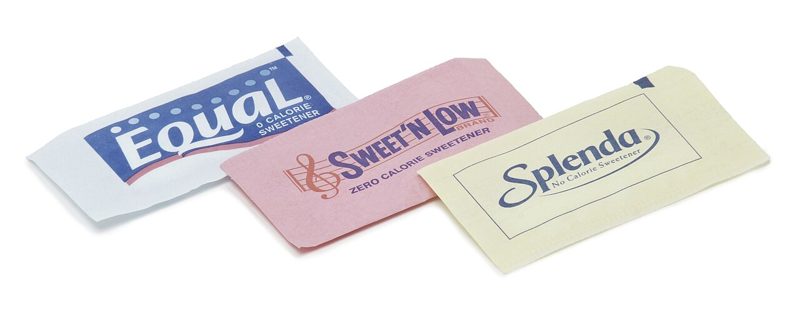
Image: no-calorie sweetener packets, Evan-Amos, public domain, via Wikimedia Commons.
Related answers
- The 6 Different Types of Coffee Roasting Machines
- Does Green Tea Have Caffeine?
- Is Starbucks open on Labor Day 2026?