
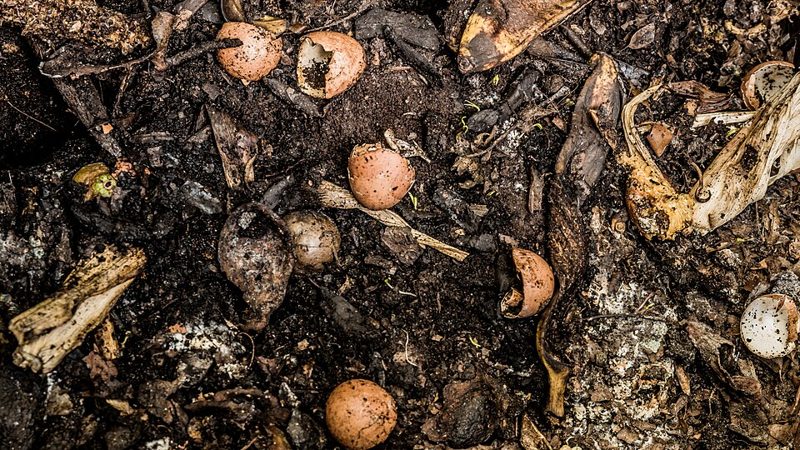
You can put fruit and vegetable scraps, coffee grounds and paper filters, paper tea bags, crushed eggshells, grass clippings, dry leaves, plant stalks and twigs, untreated wood chips, and shredded non-glossy paper or plain cardboard in a backyard compost bin.
The EPA sorts these into nitrogen-rich greens, such as food scraps, grass clippings and coffee grounds, and carbon-rich browns, such as dry leaves, shredded paper and cardboard. It recommends adding at least two to three times as much browns as greens by volume and keeping food scraps covered by four to eight inches of browns. Leave out meat, fish, bones, cheese and other dairy, and fats, oils and grease, because they can attract animals and backyard piles usually do not get hot enough to break them down fully. Also skip pet waste and cat litter, herbicide-treated or diseased plants, weeds with seeds, treated or painted wood, glossy paper, dryer lint and produce stickers. Compostable cups, plates and bags belong at a commercial composting facility that accepts them, not a home bin. A well-maintained pile is usually finished in about three to five months.
Source: U.S. EPA, Composting At Home
Image: Food scraps in compost by Philip Cohen, CC BY 2.0, via Wikimedia Commons.