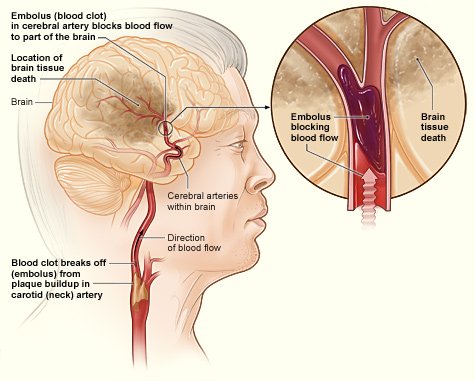
Yes, at least in one long-running U.S. population study. Researchers tracking the Greater Cincinnati and Northern Kentucky region found that the rate of first-ever strokes among adults ages 20 to 54 rose from 33.9 cases per 100,000 person-years in 1993–1994 to 62.2 in 2020, nearly doubling, while stroke rates in older adults declined. The increase was driven mainly by ischemic strokes, caused by a blocked blood vessel in the brain, which rose from 23.8 to 47.3 cases per 100,000 person-years; bleeding strokes did not show a similar rise. Among younger stroke patients, high blood pressure, diabetes, atrial fibrillation and substance use became more common over time, with substance use (largely marijuana) climbing from 4.6% to 40.2%. Short-term survival improved, as 30-day death rates fell from 11.7% to 9.4%, but the authors note they lacked data on people without stroke, so they could not confirm what is causing the increase. The findings were published in Neurology on September 23, 2026.
Source: American Academy of Neurology — More young adults are having strokes than three decades ago
Image: Illustration of an ischemic stroke caused by a blood clot blocking a cerebral artery. National Heart, Lung, and Blood Institute (NIH), public domain, via Wikimedia Commons.
