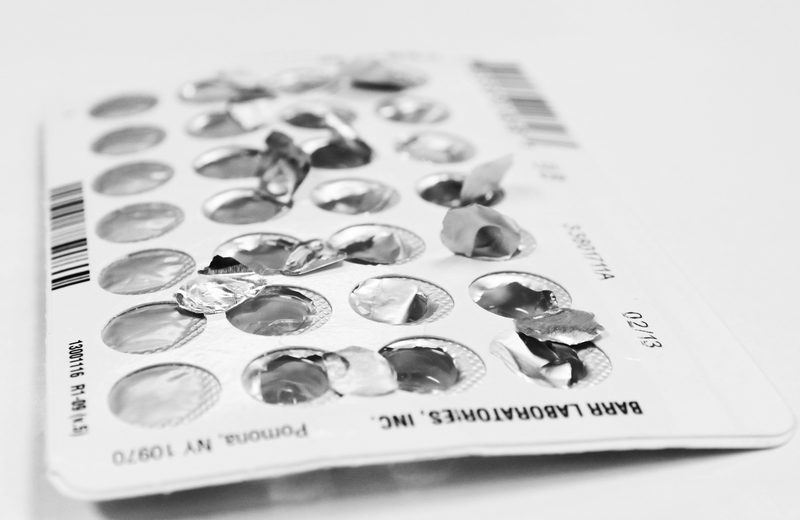
No. Hormonal birth control does not permanently reduce fertility. According to the Eunice Kennedy Shriver National Institute of Child Health and Human Development (NICHD), ovulation can resume after you stop the pill, and pregnancy is possible in the next menstrual cycle, though cycle timing may take one or two months to settle. The patch and vaginal ring behave similarly once removed.
After an IUD or contraceptive implant is removed by a clinician, pregnancy is possible at any time. The main exception is the Depo-Provera shot: recovery of fertility can take longer, up to about 10 months in some cases.
Source: NICHD, “Other Contraception and Birth Control FAQs”
Image: Opened Oral Birth Control, Bryancalabro, CC BY-SA 3.0, via Wikimedia Commons.
Related answers
- Can cerebral palsy be caused by birth?
- Did the White House drop plans for an executive order giving OMB more control over NIH research grants in September 2026?
- Is Oumuamua still debated among top scientists?