Yes, but only one human case has ever been recorded: in October 2026, French authorities confirmed the first known human infection with Shamonda virus, in a severely immunocompromised patient who died in early October.
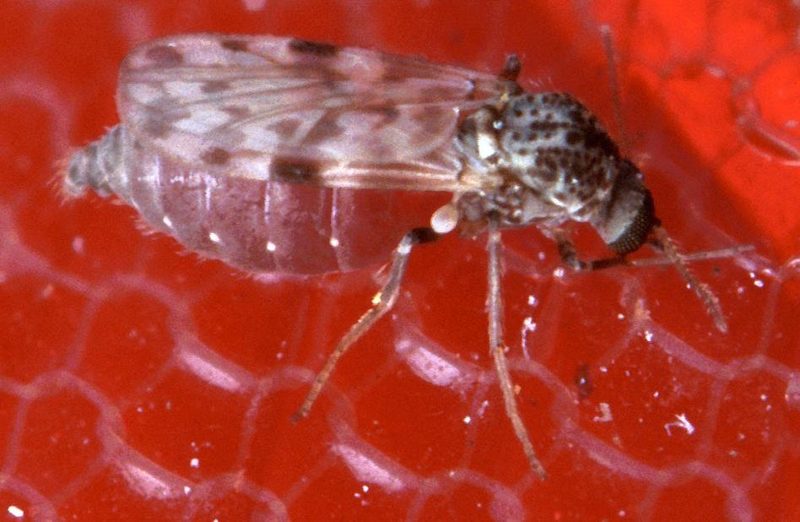
Shamonda virus (Shav) mainly infects cattle and is spread by bites from infected midges. It has also been found in sheep, goats, alpacas and horses. In dairy herds it can cause fever, diarrhoea and poor milk production. Until this case, the virus was considered non-transmissible to humans despite decades of circulation in Africa and Asia. French officials believe the patient was infected by a midge bite in eastern France, where animal cases were first identified in the spring. The patient was being treated for a serious illness at a hospital in Lyon and had neurological complications that officials said were very likely linked to the virus. Health officials called it an exceptional case and said there is currently no risk to the public. Europe’s first cases were identified in late July, and the virus has since been found in farm animals in Ireland, Germany, Italy, Spain and Jersey. The European Centre for Disease Prevention and Control is monitoring the situation, and the case has been reported to the World Health Organization.
Source: BBC News, First human case of Shamonda virus detected in France, officials say (October 22, 2026)
Image: Biting midge by Scott Bauer, USDA ARS, public domain, via Wikimedia Commons.