What temperature should pork be cooked to?
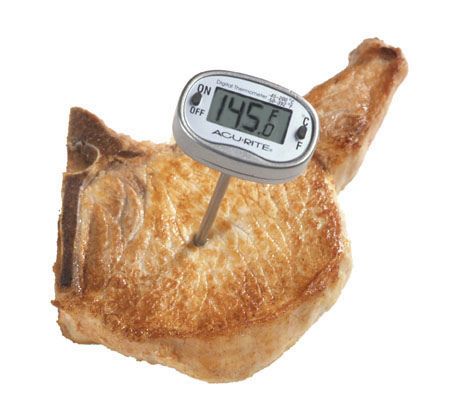
Cook pork chops, steaks, and roasts to 145°F (63°C) with a 3-minute rest; ground pork to 160°F (71°C), per FoodSafety.gov.
Food and Beverage related content
Cook pork chops, steaks, and roasts to 145°F (63°C) with a 3-minute rest; ground pork to 160°F (71°C), per FoodSafety.gov.
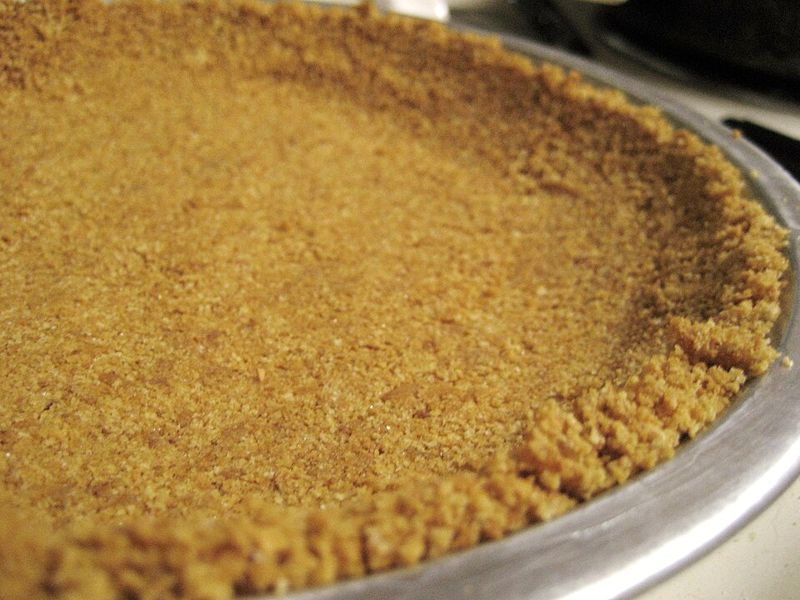
Graham cracker crumbs are crushed graham crackers, used mainly to make pie and cheesecake crusts and as a dessert topping.
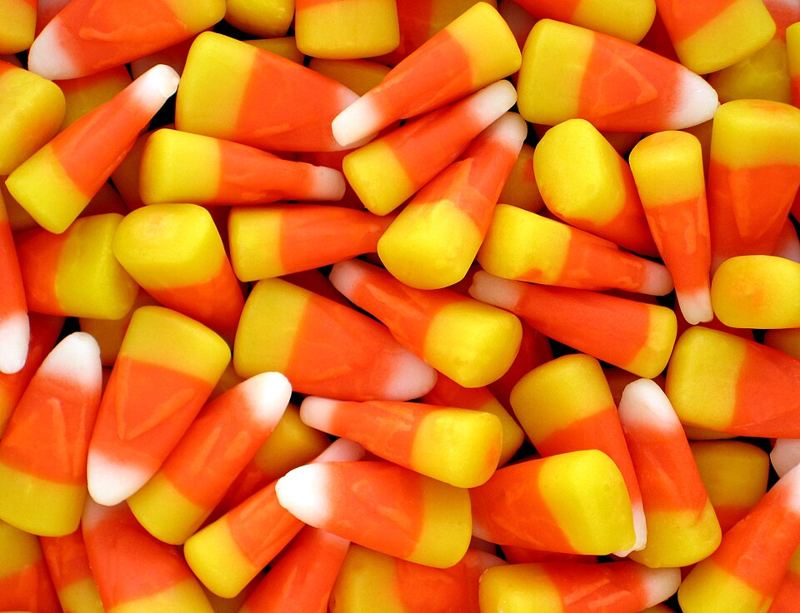
No. Brach’s classic candy corn contains gelatin, honey, and confectioner’s glaze (shellac), all of which come from animals, so it is neither vegan nor vegetarian.
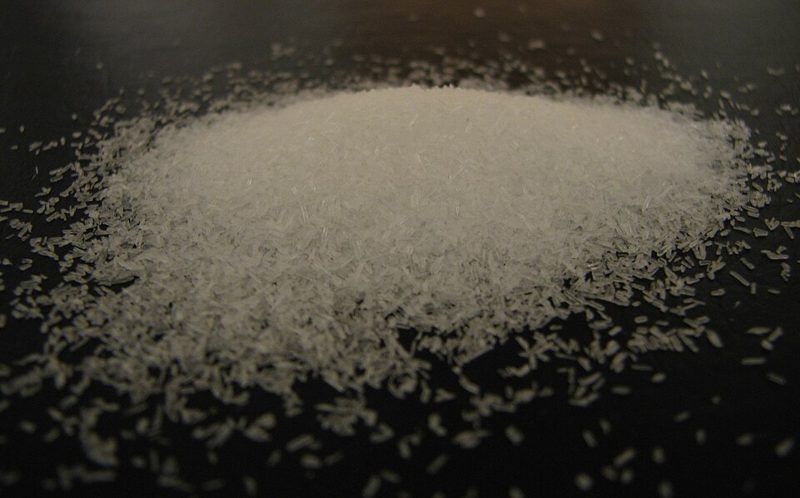
Yes, but far less than table salt. MSG is about 12% sodium by weight, roughly one-third of the 39% in table salt, which is why it is used to help cut sodium in foods.
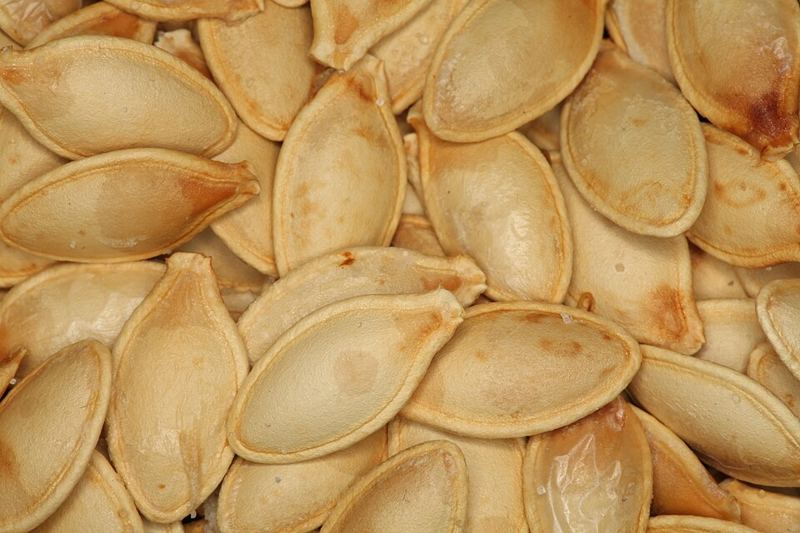
Yes, raw pumpkin seeds are safe to eat, shelled or whole, though the shells are chewy and raw seeds are high in phytic acid.
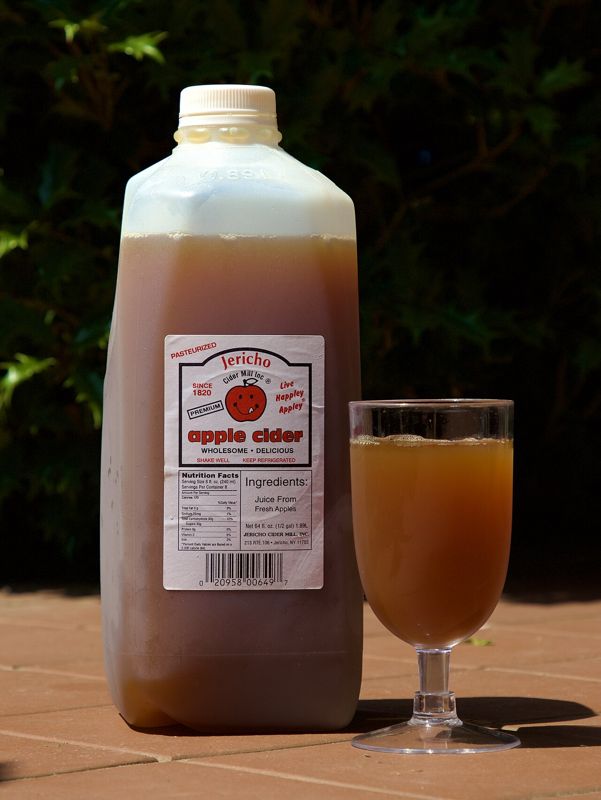
Fresh cider has no preservatives and may carry bacteria, so the FDA says untreated cider must be kept cold; refrigeration also slows fermentation, keeping cider good for up to about two weeks.

Japanese chemist Kikunae Ikeda discovered umami in 1908 when he isolated glutamate from kombu seaweed, the compound behind the savory taste of dashi.
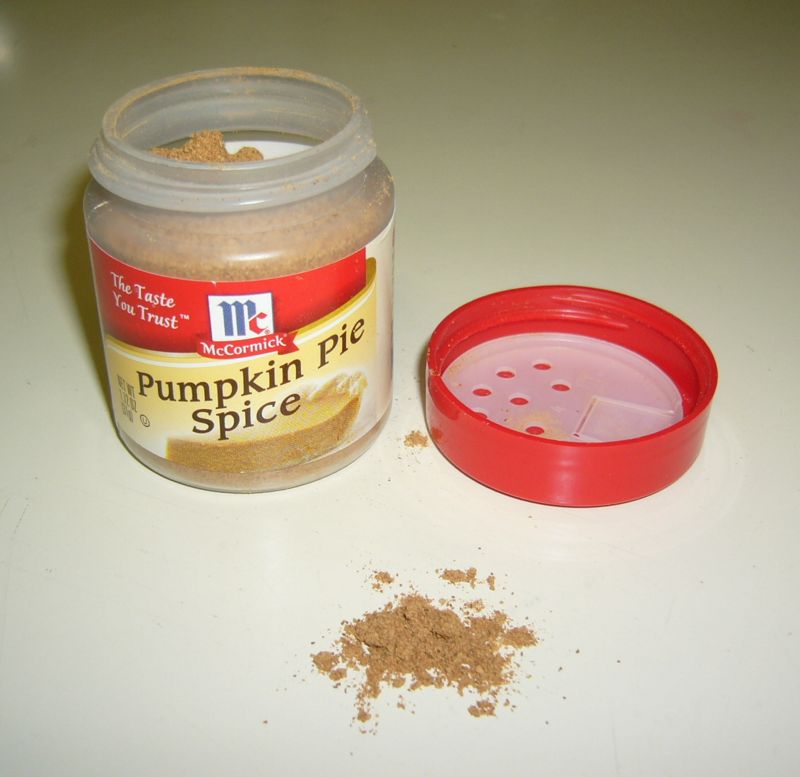
Pumpkin spice is a blend of ground cinnamon, ginger, nutmeg and allspice. Despite the name, the standard blend contains no pumpkin; it was created to season pumpkin pie.
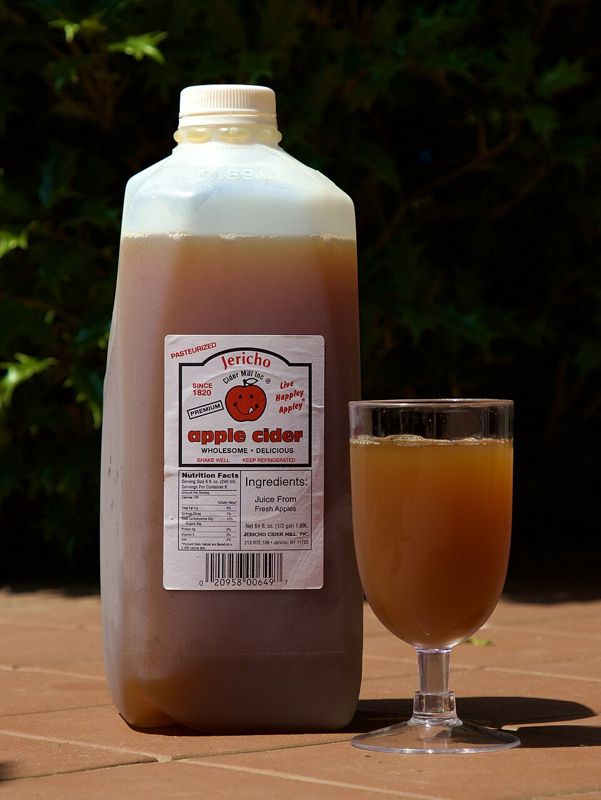
Apple cider is unfiltered pressed apple juice, so it is cloudy and tart; apple juice is filtered, pasteurized, often preserved, and sometimes sweetened, which makes it clearer, sweeter, and shelf-stable.
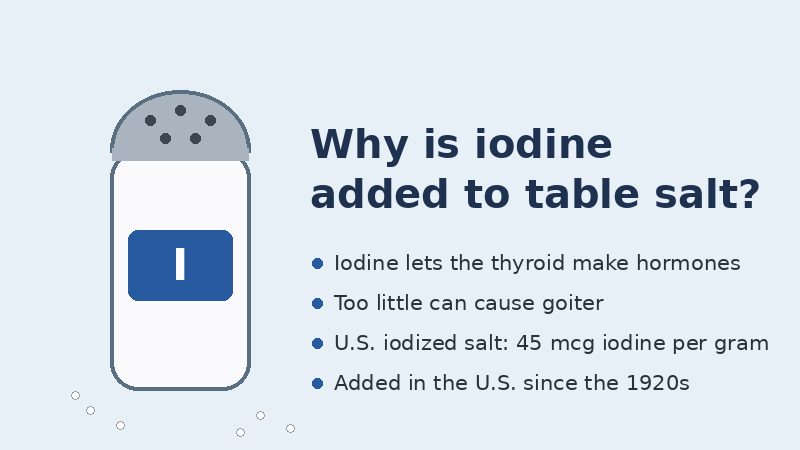
Iodine is added to table salt to prevent iodine deficiency, which can cause goiter and harm development; U.S. iodized salt carries 45 mcg of iodine per gram.