What are air sacs in the lungs?
Air sacs in the lungs are alveoli—tiny elastic sacs where oxygen and carbon dioxide are exchanged.
Sourced explanations of scientific ideas, discoveries, and research-related questions.
Air sacs in the lungs are alveoli—tiny elastic sacs where oxygen and carbon dioxide are exchanged.

Angleworms are earthworms used as fishing bait; the name links angling with the familiar soil-dwelling worm.
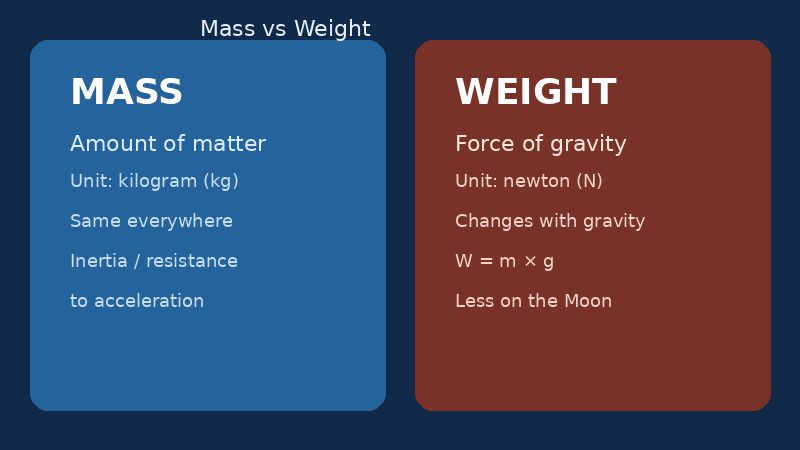
Mass measures matter and inertia (kilograms) and stays constant; weight is the force of gravity on that mass (newtons) and changes with location.
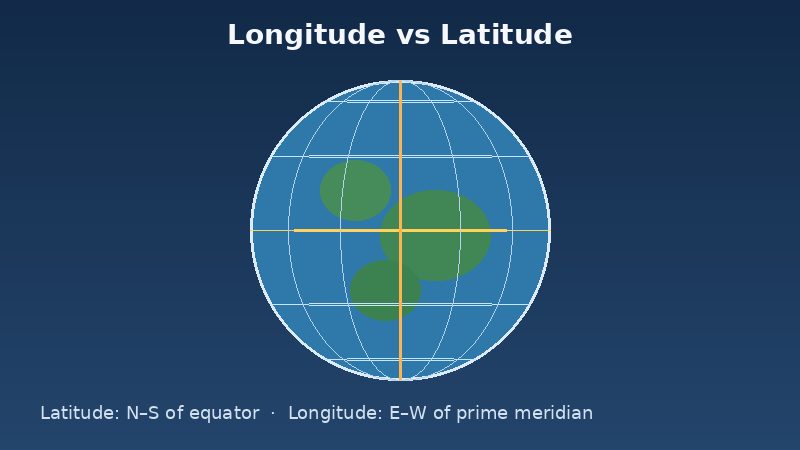
Latitude is north–south distance from the equator; longitude is east–west distance from the prime meridian. Together they locate any point on Earth.

Electromagnetic induction turns a changing magnetic field into electric current. Examples include generators, transformers, guitar pickups, and airport security gates.

Global warming is the long-term rise in Earth’s average temperature; climate change includes that warming plus wider planetary effects.
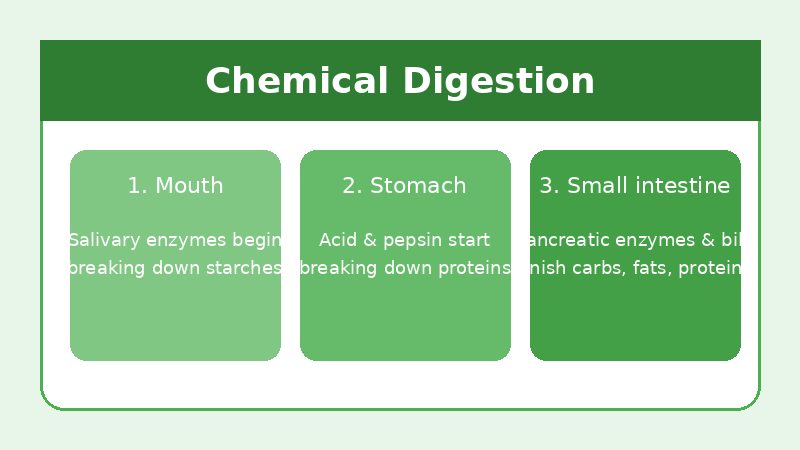
Chemical digestion is the enzyme-and-acid breakdown of food into absorbable nutrients, and it happens in stages along the GI tract. It starts in the mouth, where saliva enzymes begin breaking starches into simpler sugars. In the stomach, acid and enzymes continue the process—especially on proteins—then the small intestine finishes most chemical digestion with pancreatic enzymes … Read more
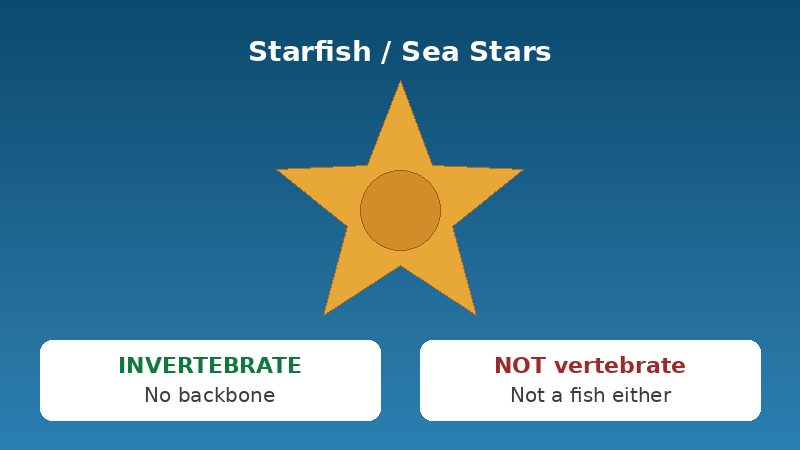
Starfish (sea stars) are invertebrates in the echinoderm phylum—they lack a backbone and are not fish.
Unusual specific phobias include trypophobia (patterns of holes), globophobia (balloons), and arachibutyrophobia (peanut butter sticking to the mouth).
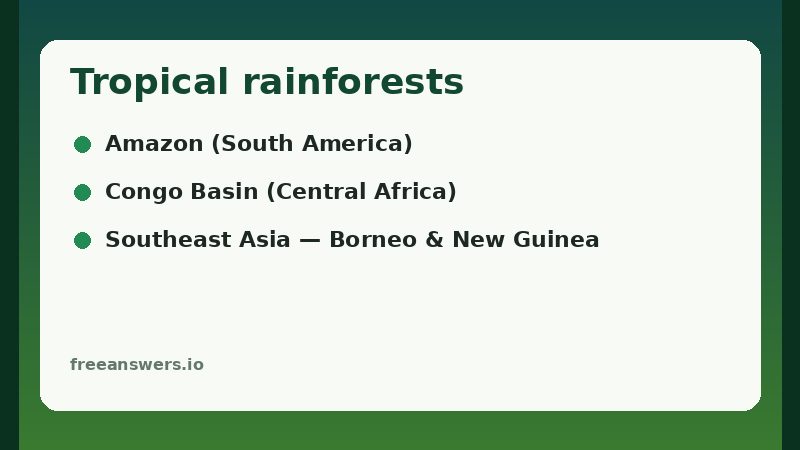
Major tropical rainforests include the Amazon, the Congo Basin forest, and Southeast Asian forests such as those on Borneo and New Guinea.