What is the difference between a meteor and a meteorite?
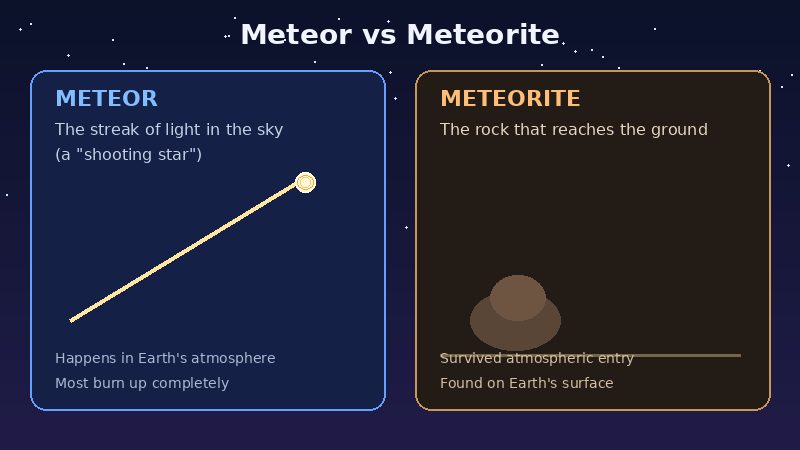
A meteor is the glowing sky streak when a space rock burns in the atmosphere; a meteorite is the rock that survives and reaches the ground.
Sourced explanations of scientific ideas, discoveries, and research-related questions.
A meteor is the glowing sky streak when a space rock burns in the atmosphere; a meteorite is the rock that survives and reaches the ground.

Common diseases of the muscular system include the muscular dystrophies—a group of more than 30 genetic conditions that cause progressive skeletal-muscle weakness and degeneration—as well as related neuromuscular disorders such as myasthenia gravis and congenital myopathies. According to the National Institute of Neurological Disorders and Stroke (NINDS), muscular dystrophy forms vary in age of onset, … Read more
There is no single proven cause of acrophobia. Cleveland Clinic notes it may stem from heightened concern about falling, traumatic height-related experiences, and anxiety risk factors such as family history.
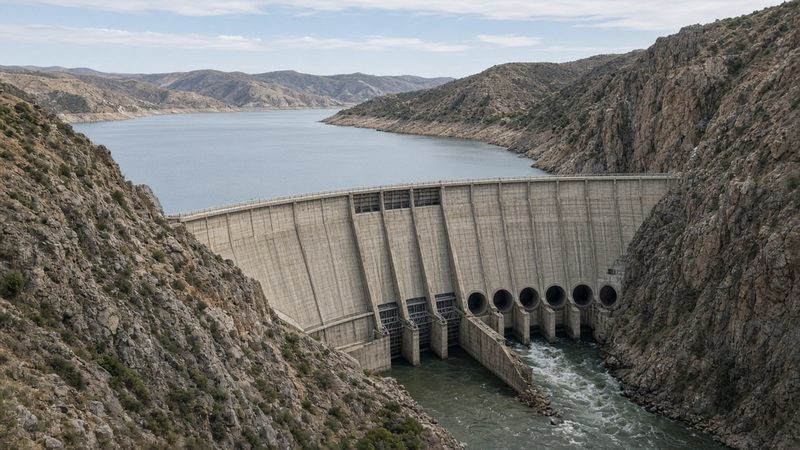
Dams and reservoirs can block fish, alter rivers, flood land, and cut power in dry years—key disadvantages of hydroelectric energy.
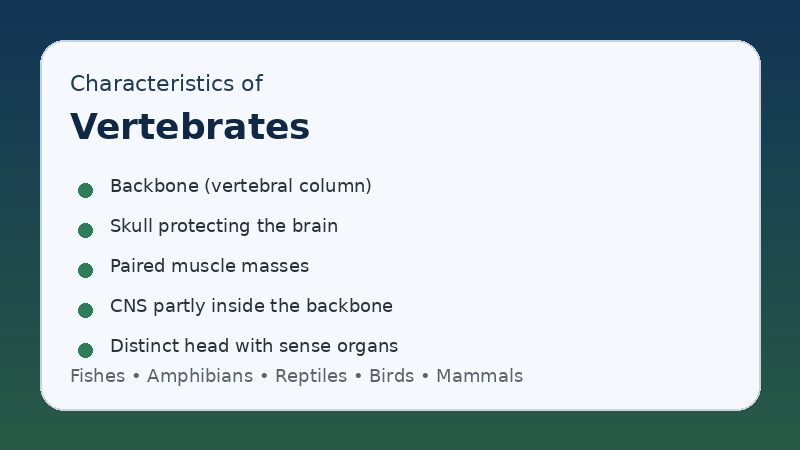
Vertebrates are defined by a backbone, skull, paired muscle masses, and a CNS partly enclosed in the backbone, according to Encyclopaedia Britannica.
Polygenic traits are characteristics influenced by two or more genes rather than a single gene. Because many genes contribute, these traits usually show continuous variation instead of simple Mendelian either-or patterns. Familiar examples include human height and skin color; many common health conditions such as heart disease and type 2 diabetes also have polygenic genetic … Read more
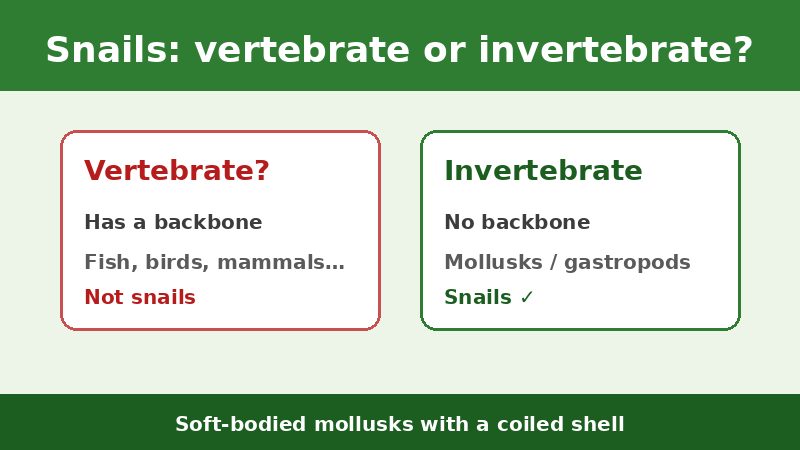
Snails are invertebrates (mollusk gastropods) without a backbone, not vertebrates like fish or mammals.
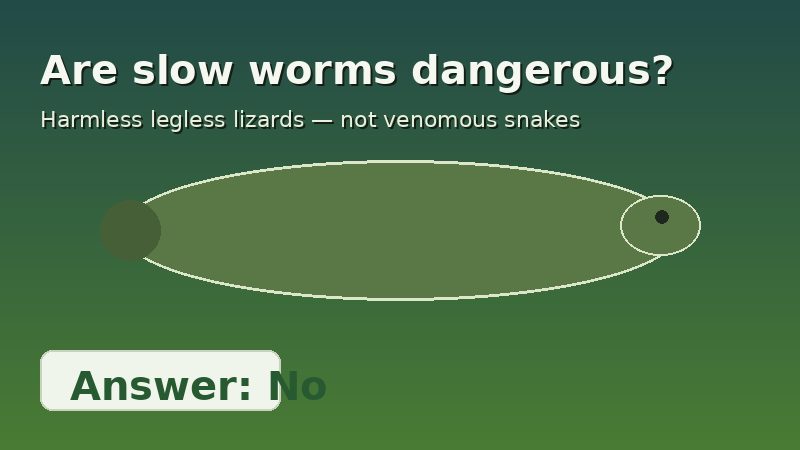
No. Slow worms are harmless legless lizards that seldom bite people, according to the Natural History Museum.

Yes. EIA separates energy into renewable sources that nature replenishes (solar, wind, hydro, geothermal, biomass) and nonrenewable sources with limited supplies that form over long timescales (fossil fuels and nuclear).
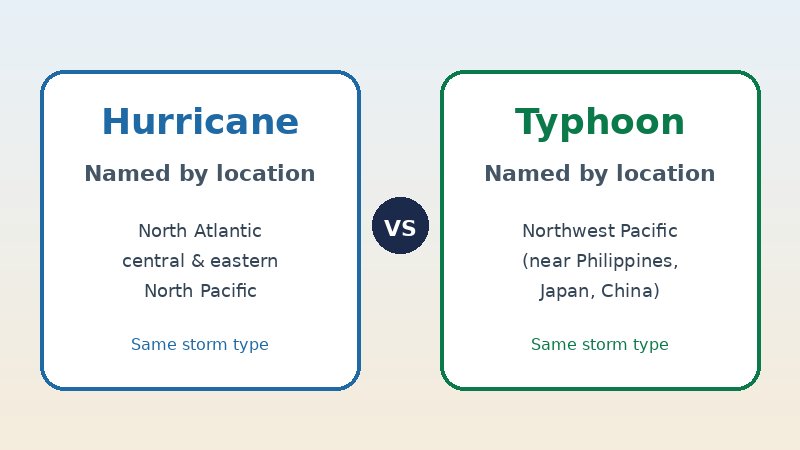
Hurricanes and typhoons are the same tropical-cyclone storm type; the names differ only by ocean basin.