Are fingerprints considered trace evidence?

In standard forensic classification, fingerprints are pattern and impression evidence, not traditional trace evidence such as fibers, glass, or paint.
Add a custom archive category description here.
In standard forensic classification, fingerprints are pattern and impression evidence, not traditional trace evidence such as fibers, glass, or paint.
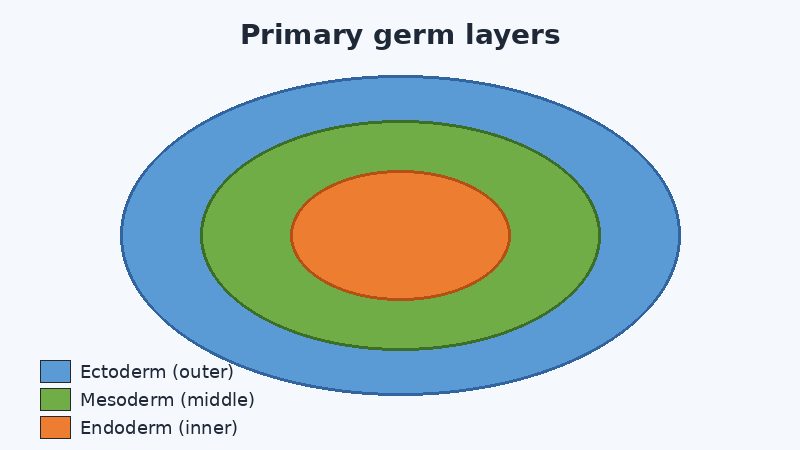
They are the three primary embryonic germ layers: ectoderm (outer), mesoderm (middle), and endoderm (inner), each giving rise to specific tissues and organs.

A nonlinear equation is any equation that cannot be written in the linear form Ax + By + C = 0. Common examples include curves such as y = x², y = x³, and y = cos(x), as well as equations that multiply variables together (for example xy = 12) or place a variable in … Read more

Composting uses microbes, browns, greens, air, and water to turn organic waste into soil-building compost, often in three to five months when the pile is well managed.

Marsupials include kangaroos, wallabies, koalas, wombats, Tasmanian devils, and opossums—more than 250 species worldwide.

Dormant seeds are viable (alive) seeds that do not germinate under standard test conditions; labs use TZ and other tests to confirm viability.

Dolphins are vertebrates, not invertebrates. NOAA Fisheries classifies the common bottlenose dolphin in phylum Chordata and class Mammalia—animals that have a backbone (vertebral column). Invertebrates lack that spinal column; dolphins have one, and they also show other mammal traits such as breathing air with lungs, being warm-blooded, and giving birth to live young. Source: NOAA … Read more
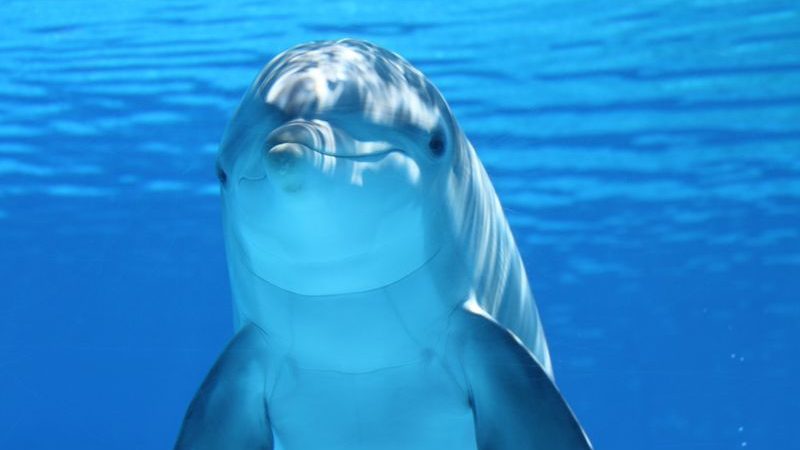
Dolphins are carnivores: NOAA Fisheries notes bottlenose dolphins eat fish, squid, and crustaceans, not plants.
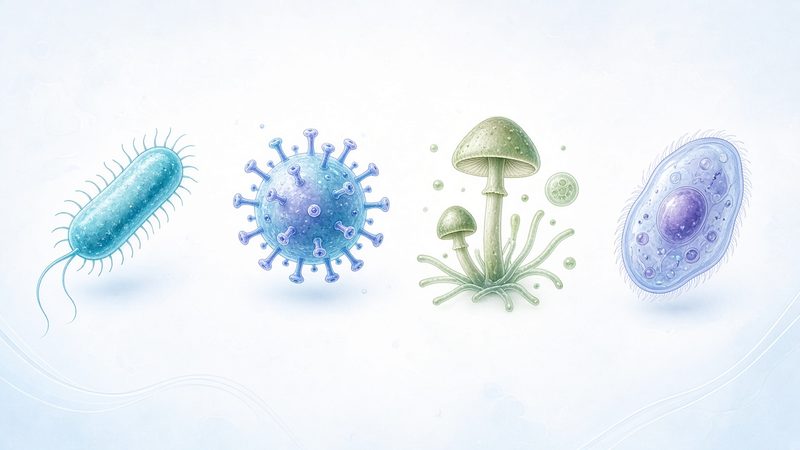
Infectious diseases are illnesses caused by harmful germs, or pathogens, that enter the body from outside. Clinicians commonly group them by the kind of pathogen involved: viral, bacterial, fungal, and parasitic infections, with prion diseases as a rare additional category. Viruses are genetic material in a protective shell; bacteria are single-celled organisms; fungi include yeasts … Read more
The main medical X-ray modalities are radiography, fluoroscopy, CT, and mammography, each capturing images differently.