Did Gavin Newsom declare a California state of emergency for El Niño in September 2026?
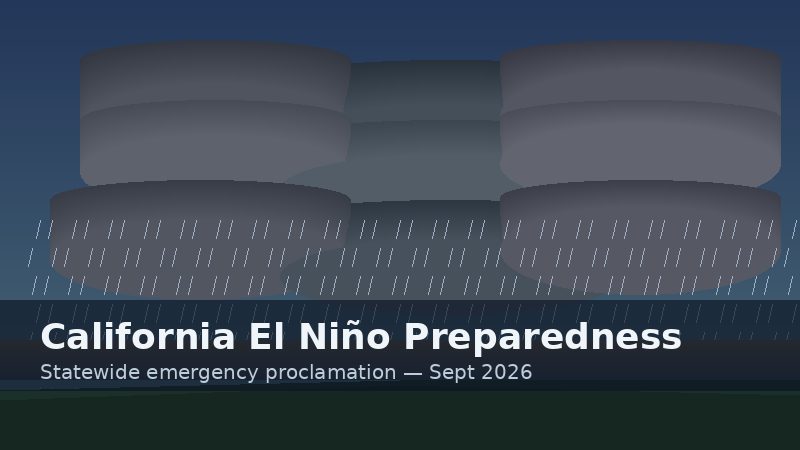
California storm sky illustration for El Niño emergency preparedness

Yes. On September 21, 2026, California Governor Gavin Newsom proclaimed a statewide state of emergency to prepare for a potentially historic El Niño season expected to bring strong winter storms and coastal flooding. The proclamation directs state agencies to stage flood-fighting supplies such as sandbags and pumps, pre-position Caltrans road and snow equipment, prepare the … Read more
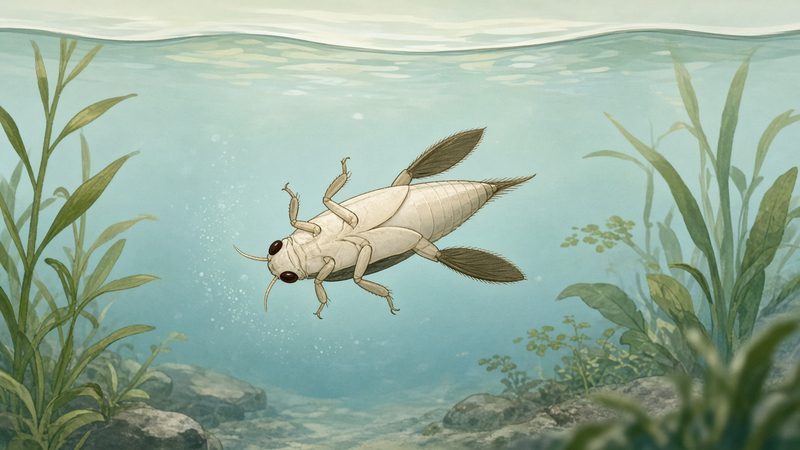
Are backswimmers bugs?

Yes. Backswimmers are aquatic true bugs: insects in the order Hemiptera (family Notonectidae). They are slender water insects that usually swim belly-up with long, oarlike hind legs, and they use piercing-sucking mouthparts to prey on other small aquatic animals. That places them with other “true bugs,” not with beetles or flies. The Missouri Department of … Read more

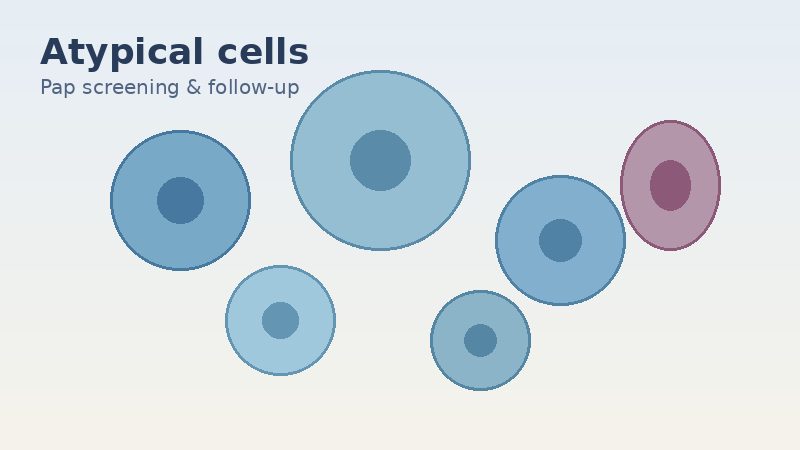
Are atypical cells common?

Yes—atypical cells are a relatively common finding on cervical Pap tests. The most frequent abnormal Pap result is ASC-US (atypical squamous cells of undetermined significance), which means some cells look unusual but the cause is unclear; irritation, infection, hormonal changes, or HPV can all produce that appearance, and an abnormal result does not mean cancer. … Read more

Are arthropods coelomates?

Yes. Arthropods (insects, spiders, crustaceans, and their relatives) are classified as eucoelomate, or true coelomate, animals: they develop a body cavity that arises within the mesoderm. In adults that cavity is greatly reduced, and the main body space is a blood-filled hemocoel of their open circulatory system, but textbooks still group arthropods with other coelomates … Read more

Are alkalines bases?

Illustration of a flask representing alkaline chemistry

Yes. In chemistry, alkalis are soluble hydroxides of alkali metals and are strong bases; alkaline substances have basic properties, generally associated with hydroxide ions in water. They can react with acids to form salts, although “alkaline” is broader than the specific class called alkalis. Source: Encyclopaedia Britannica: Alkali

Are all cells eukaryotic?

No. Cells come in two broad structural types: eukaryotic cells, which have a membrane-bound nucleus and other organelles, and prokaryotic cells, which lack those internal membranes and keep their DNA in a nucleoid region instead. Bacteria and archaea are prokaryotes; animals, plants, fungi, and many protists are eukaryotes. So while eukaryotic cells are common in … Read more