Do all arteries carry oxygenated blood?
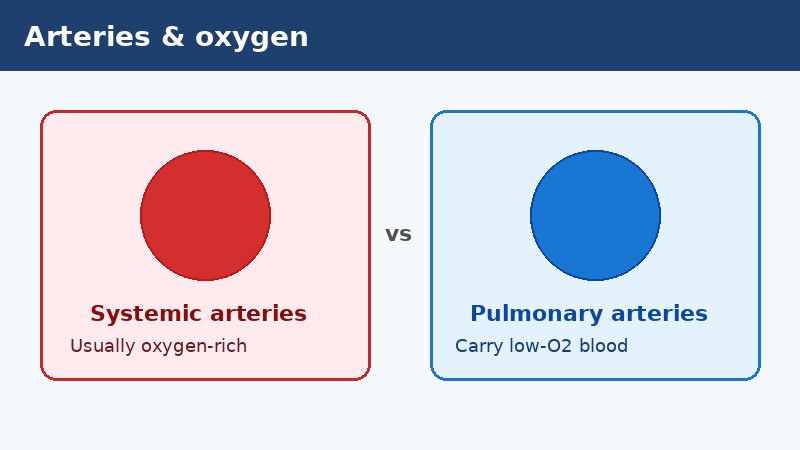
No. An artery is defined by direction of flow—blood leaving the heart—not by how much oxygen it carries. In the systemic circuit, arteries usually deliver oxygen-rich blood to body tissues, but in the pulmonary circuit the pulmonary arteries carry oxygen-poor blood from the right side of the heart to the lungs for gas exchange. OpenStax’s … Read more


Did the FDA approve Inluriyo with Verzenio for ESR1-mutated metastatic breast cancer in September 2026?

Yes. On September 18, 2026, the U.S. Food and Drug Administration granted full approval to Inluriyo (imlunestrant) in combination with Verzenio (abemaciclib) for adults with estrogen receptor–positive, HER2-negative, ESR1-mutated advanced or metastatic breast cancer after disease progression on at least one line of endocrine therapy. In the Phase 3 EMBER-3 trial, among patients whose tumors … Read more

Did scientists name a new wild cat species from Bolivia in September 2026?

Illustrated spotted tiger cat representing Leopardus tilcayo

Yes. On September 17, 2026, researchers writing in Current Biology formally described Leopardus tilcayo, a small spotted tiger cat from Bolivia’s Yungas cloud forests—the first newly named living cat species in more than a century (since the Uruguayan pampas cat in 1923). Whole-genome analysis of 38 Leopardus samples showed the animals long lumped as “tiger … Read more

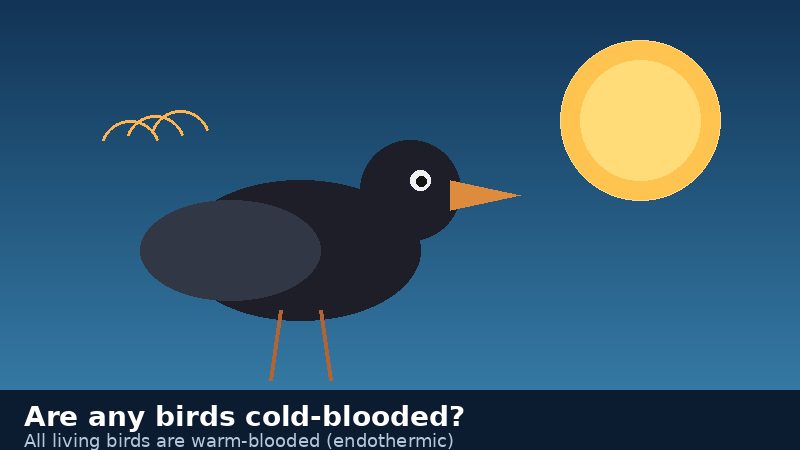
Are any birds cold-blooded?

Illustration asking whether any birds are cold-blooded

No. All living birds are endothermic—commonly called “warm-blooded”—meaning they generate and regulate body heat internally rather than relying mainly on the environment the way reptiles and amphibians do. Some birds do temporarily lower metabolism and body temperature in a controlled state called torpor (seen in hummingbirds, swifts, nightjars, and others), which can look “cold,” but … Read more