Did JWST find that Chariklo’s rings have changed over the past decade?

JWST occultation data show Chariklo’s inner ring grew denser while its outer ring nearly vanished, pointing to real ring evolution around the small centaur.
Add a custom archive category description here.
JWST occultation data show Chariklo’s inner ring grew denser while its outer ring nearly vanished, pointing to real ring evolution around the small centaur.
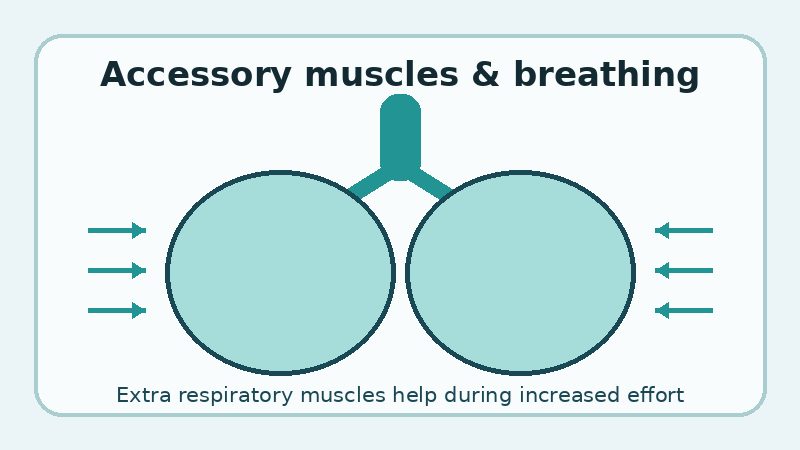
Question Are accessory muscles used? Answer Yes. During increased breathing effort, people can recruit accessory respiratory muscles such as the sternocleidomastoids, scalenes, and intercostals; quiet breathing normally relies mainly on the diaphragm and intercostal muscles. Visible accessory-muscle use is a sign of respiratory difficulty and should be considered alongside signs such as rapid breathing, cyanosis, … Read more
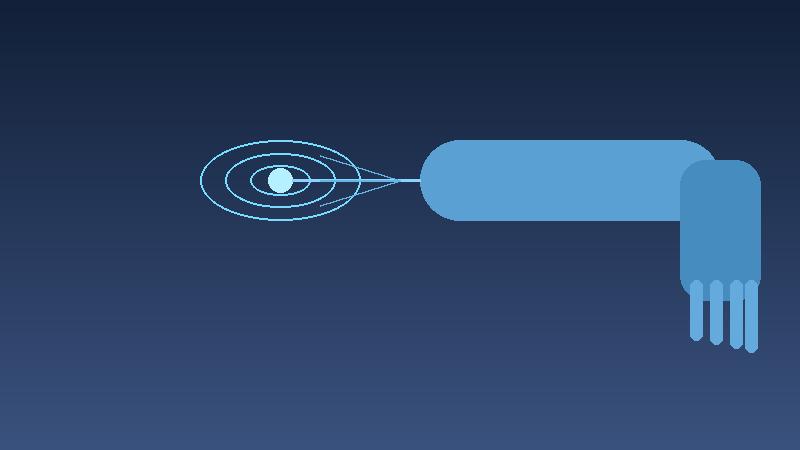
Yes. At a September 18, 2026 demonstration at the University of Utah’s Center for Medical Innovation, amputee Avi Davidson used the “LUKE Arm,” a neuroprosthesis that translates signals from an implant in the nerves and muscles of his residual upper arm into robotic hand movements and returns a sense of touch. Davidson is the ninth … Read more

Yes. In a Nature Neuroscience study published September 14, 2026, University of California, San Francisco researchers led by Samantha C. Brosler and Edward F. Chang showed that a single high-density electrocorticography (ECoG) implant can decode attempted speech and upper-body gestures simultaneously in people with paralysis. Two BRAVO-trial participants controlled a personalized virtual avatar that produced … Read more
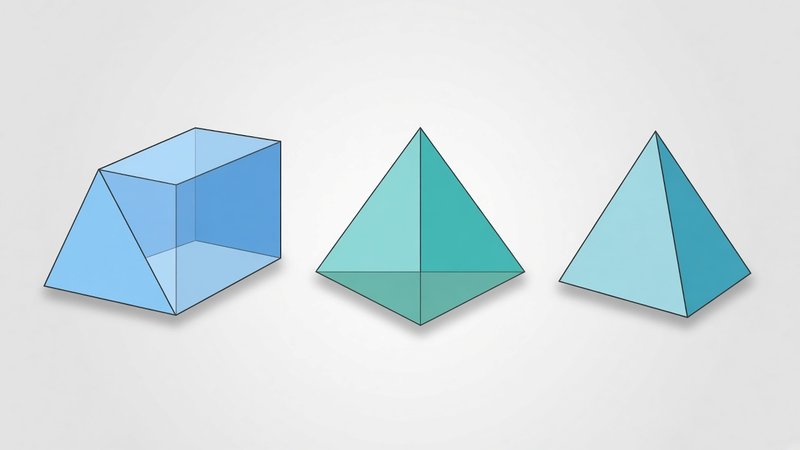
No. Prisms are polyhedra with two parallel identical bases, but polyhedra also include pyramids, tetrahedra, and many other shapes that are not prisms.
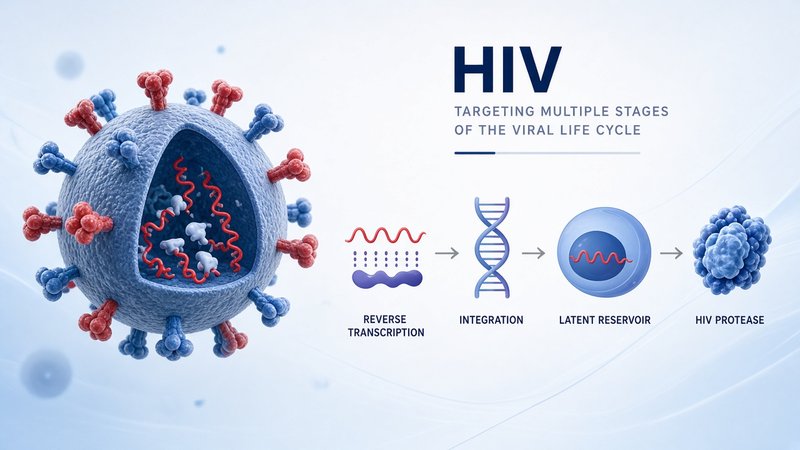
Yes, in a randomized trial — for many participants, and for some much longer. In the RIO trial (Imperial College London, University of Oxford, and Rockefeller University), 68 men living with HIV received either two long-acting broadly neutralizing antibodies (bNAbs) — 3BNC117-LS and 10-1074-LS — or a placebo, then paused daily antiretroviral therapy (ART) under … Read more
Yes. In September 2026 the U.S. Food and Drug Administration approved Zanvastro, the first and only disease-modifying treatment for Alexander disease — a rare, progressive neurological disorder that can impair motor, cognitive, and autonomic function. Until this approval, care was limited to managing symptoms. The drug grew out of more than 30 years of research … Read more
DAMO RADAR, published in Science on Sept. 18, 2026, screened one abdominal CT for 146 diseases and beat 23 of 26 radiologists in a head-to-head study; it is open for research but not FDA-cleared.
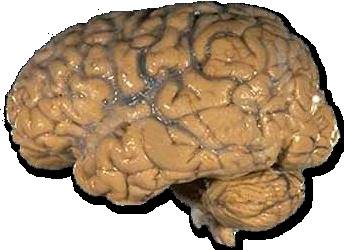
Yes. Cerebral palsy can result from brain injury around the time of birth, including complications that cut off oxygen or blood flow to the baby—for example placental abruption, uterine rupture, or umbilical-cord problems. That said, most cerebral palsy is congenital (linked to events before or during birth), and many cases stem from factors such as … Read more

Yes. Researchers at Maynooth University in Ireland described a Scaffolded DNA Computer (SDC) in Nature on September 16, 2026, that uses self-assembling DNA strands in water and salt to run programmed calculations without continuous electricity—only heat to start the reactions. The system executed 10 molecular programs, including multiplication, division, and addition of 25-bit numbers (a … Read more