Does an electron microscope have advantages over a light microscope?
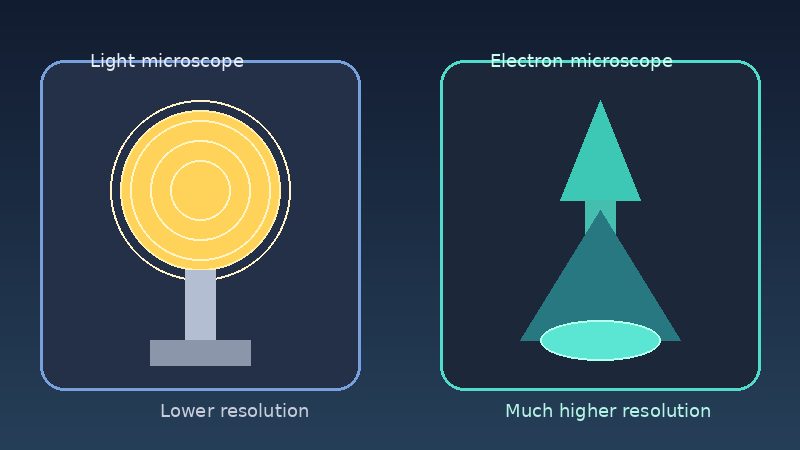
Yes — electron microscopes use electron beams for much higher magnification and resolution than light microscopes, though they usually cannot image living specimens.
Add a custom archive category description here.
Yes — electron microscopes use electron beams for much higher magnification and resolution than light microscopes, though they usually cannot image living specimens.

Dawn dish soap is not labeled with drug-style active ingredients; its cleaning action comes from surfactants such as alkyl sulfates and amine oxides listed on the P&G SDS.
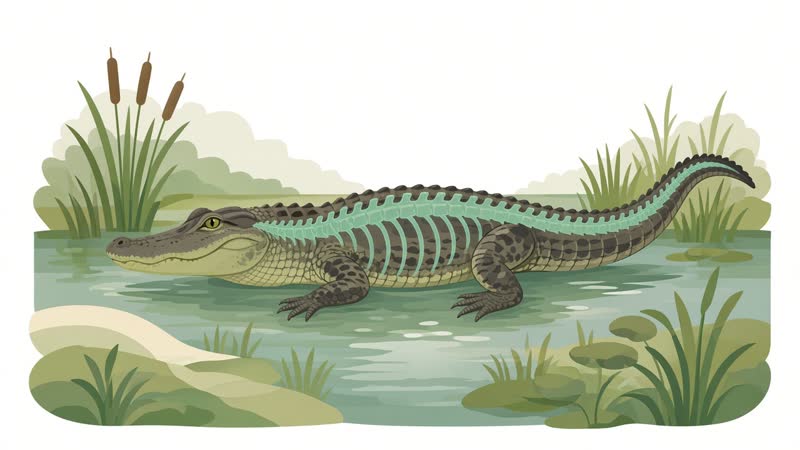
Alligators are vertebrates: ITIS classifies genus Alligator under Subphylum Vertebrata and Class Reptilia, not among invertebrates.

Yes—many bacteria in the human microbiome help with digestion, immunity, and protection against pathogens, according to NIEHS.

Yes. In chemistry, some salts make water acidic when they dissolve. Salts with cations that come from weak bases—such as ammonium chloride (NH4Cl)—release ions that react with water and produce hydronium (H3O+), so the solution’s pH drops below 7. Other “acidic salts” keep an ionizable hydrogen after partial neutralization of a polyprotic acid (for example … Read more
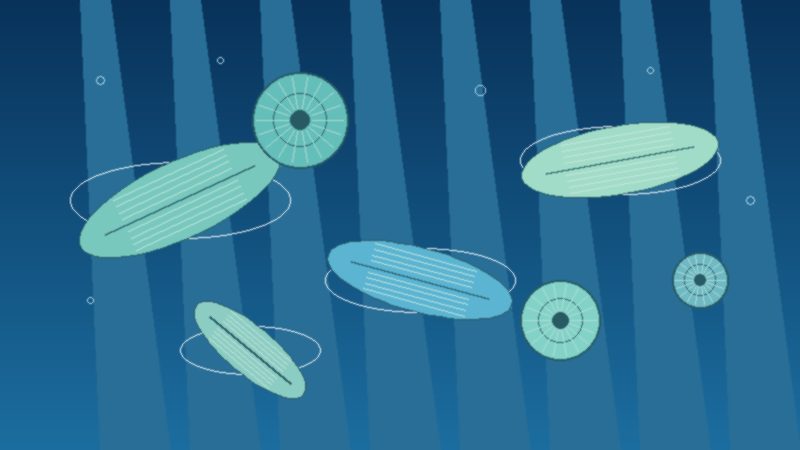
Yes. Diatoms are a major group of unicellular microalgae (Bacillariophyceae) and are often described as the world’s most diverse group of algae. They are photosynthetic plankton found widely in marine and freshwater environments, and they contribute a large share of Earth’s annual carbon fixation. Their distinctive feature is a silica cell wall called a frustule. … Read more
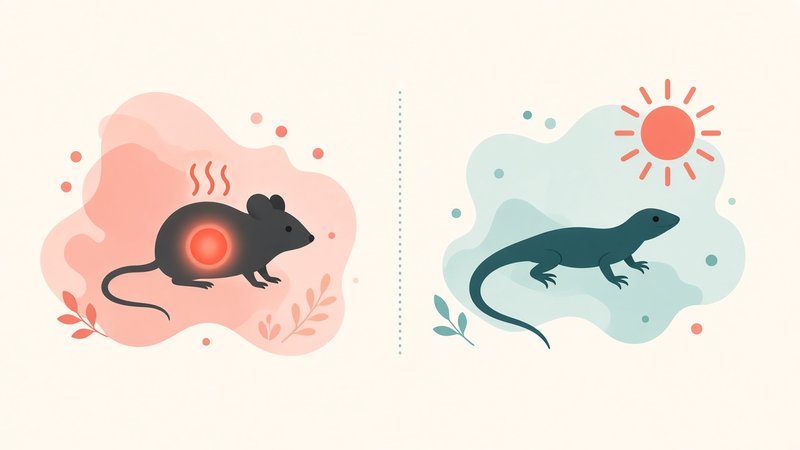
No. Many animals are ectotherms that rely on the environment for heat, but mammals and birds are endotherms that generate heat internally.
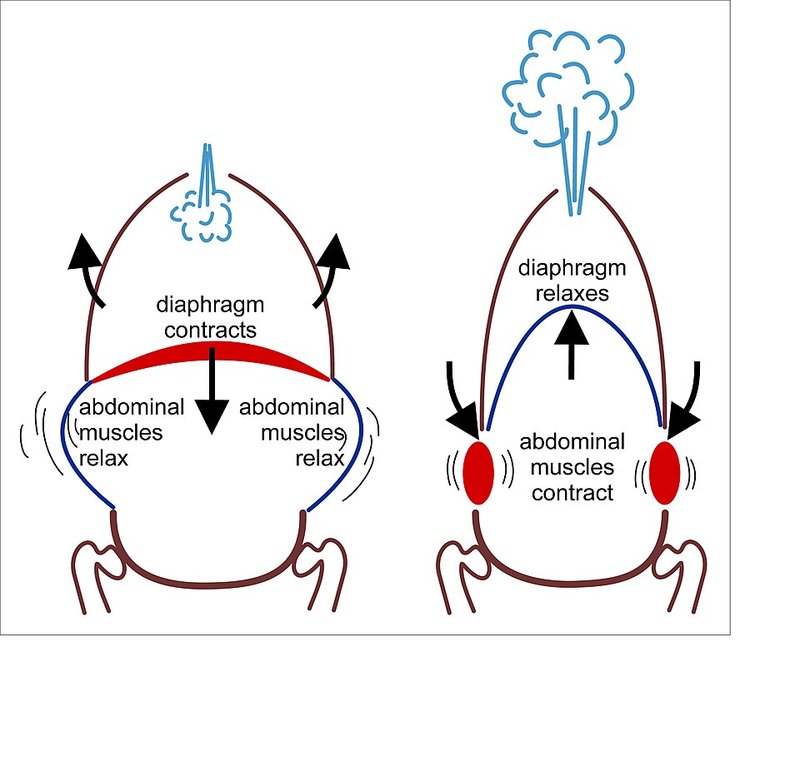
Yes. Accessory muscles of respiration help expand or compress the chest when breathing demand rises, though the diaphragm is the main inspiratory muscle at rest. According to NCBI StatPearls anatomy of the thoracic muscles, accessory inspiratory helpers include the scalenes (which elevate the first and second ribs) and the sternocleidomastoid (which helps raise the sternum). … Read more

Yes. In neurons, once the membrane reaches threshold, depolarization is an all-or-nothing (all-or-none) event: voltage-gated sodium channels open in a regenerative cascade and a full action potential is produced, rather than a partial spike scaled to stimulus size. Subthreshold stimuli do not trigger that cascade, so no action potential fires. Stronger-than-threshold stimuli generally do not … Read more

Yes. On September 16, 2026, Reuters reported that a Stanford University–led team transplanted laboratory-grown human cortical organoids into bioengineered mice that lacked most of their own cerebral cortex, creating what the researchers call “xenocortical” mice. The human tissue formed diverse cortical cell types and functional neural connections inside the mouse nervous system, according to the … Read more