
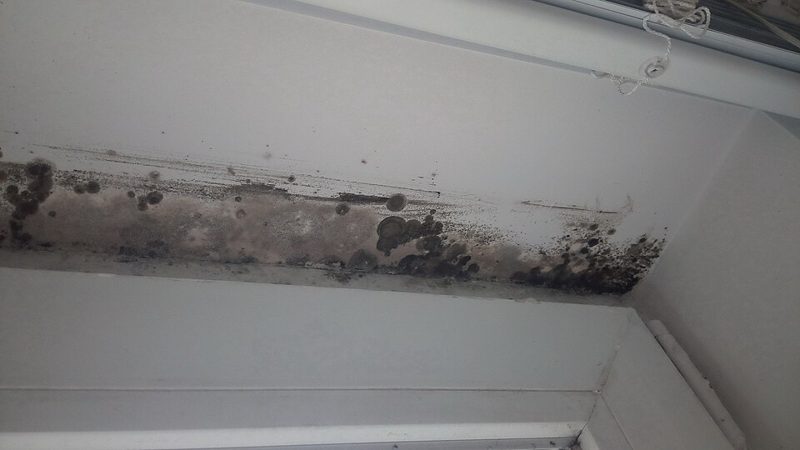
No, mildew does not turn into a different organism, because mildew already is mold. The U.S. Environmental Protection Agency says the word mildew refers to certain kinds of mold or fungus, and it is usually used for mold growth that spreads flat across a surface.
All molds are microscopic fungi that grow as multicellular filaments called hyphae, and they can feed on almost any organic material, including clothing, leather, paper, walls, ceilings and floors. Mildew commonly appears on shower walls, windowsills and other spots where moisture stays high, and in unaired places such as basements, mold growth can give off a strong musty odor. What changes over time is how far the growth spreads, and that depends on moisture. The EPA’s guide to mold and moisture advises drying water-damaged areas and items within 24 to 48 hours and keeping indoor relative humidity below 60 percent, ideally between 30 and 50 percent. It also says most people can clean a moldy patch smaller than about 10 square feet (roughly 3 feet by 3 feet) themselves.
Source: U.S. EPA, What is the difference between mold and mildew?
Image: Indoor mold, Alexander Davronov, CC BY-SA 4.0, via Wikimedia Commons.