Yes. On October 15, 2026, member states of the General Conference on Weights and Measures (CGPM), meeting outside Paris, voted by majority to abolish the leap second immediately rather than by 2035 as previously planned. Instead of inserting a one-second adjustment roughly every year and a half to keep atomic clock time (UTC) in step with Earth’s uneven rotation, timekeepers will wait until the two drift apart by a full hour and then apply a single “leap hour.”
Leap seconds had long disrupted computer systems and caused clocks to fall out of alignment on the days they were added, and the change also removes the prospect of an unprecedented “negative” leap second. According to Nature, the first leap hour likely will not be needed for thousands of years.
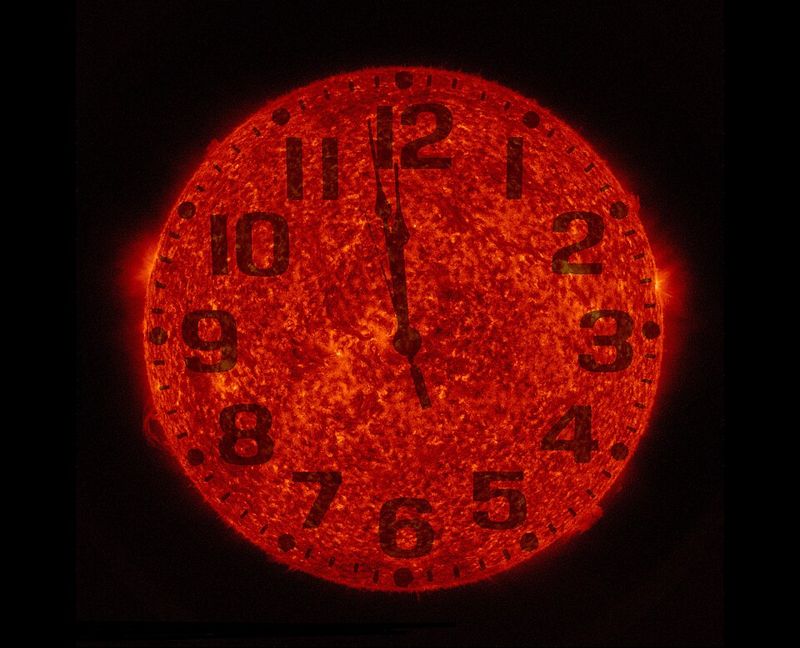
Image: NASA Goddard illustration marking a leap second added to its master clock, public domain, via Wikimedia Commons.