A haiku is a short form of poetry that began in Japan. A traditional Japanese haiku has 17 sound units (called on, roughly syllables) arranged in three phrases of 5, 7, and 5, and it usually includes a seasonal reference (kigo) and a “cutting word” (kireji) that creates a pause or contrast. The form grew out of the hokku, the opening verse of longer linked poems called renga, and was given the name “haiku” by Masaoka Shiki in the late 19th century. In English, haiku are usually written in three lines and often loosely follow the 5-7-5 syllable count; similar short poems that skip the seasonal and nature elements are often called senryū.
Source: Wikipedia, “Haiku”
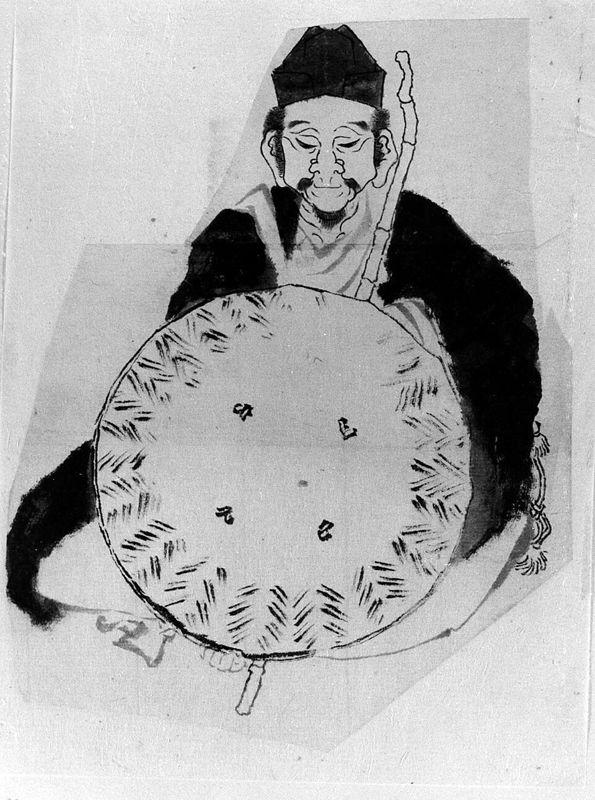
Image: Portrait of the poet Matsuo Bashō by Katsushika Hokusai, Metropolitan Museum of Art (public domain), via Wikimedia Commons.