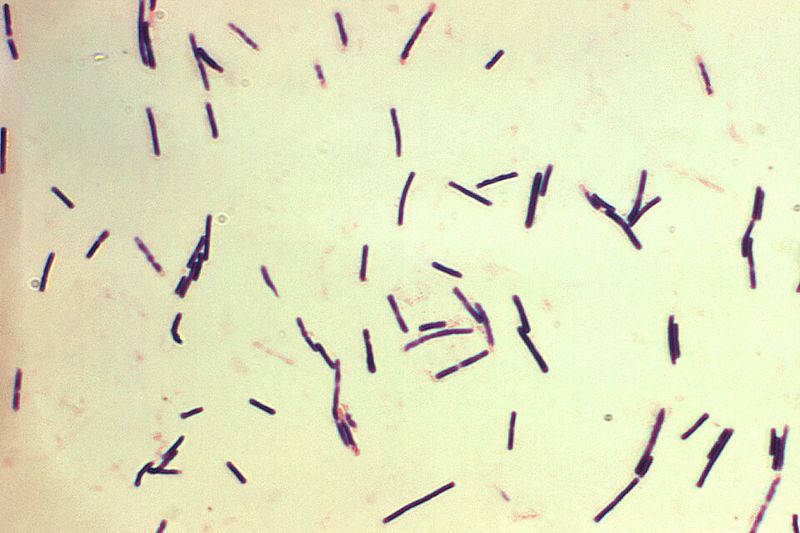
DT-109 is an experimental glycine-based tripeptide (a small molecule made of three amino acids) being developed by researchers at the University of Michigan to treat metabolic dysfunction-associated steatohepatitis (MASH), a severe form of fatty liver disease that affects about 7% of people worldwide. In a study published in The Journal of Clinical Investigation, it reversed MASH in animal models.
The drug works mainly in the gut rather than the liver. It cuts the overgrowth of Clostridium perfringens, a bacterium that produces ammonia in the intestines, which lowers ammonia levels and helps repair the intestinal lining. A stronger gut barrier keeps toxins and other microbial products from reaching the liver, where they drive inflammation and overactivate CD8+ T cells. In mice and nonhuman primates, DT-109 reduced liver inflammation and the severity of MASH. It has not yet been tested as a treatment in people.
Source: “New drug reverses severe fatty liver disease by repairing the gut,” ScienceDaily, from materials provided by Michigan Medicine, University of Michigan (October 17, 2026); study: Qu et al., “Metabolic dysfunction–associated steatohepatitis exacerbated by Clostridium perfringens–derived ammonia is attenuated by tripeptide DT-109,” Journal of Clinical Investigation 136(13), DOI 10.1172/JCI200522.
Image: Clostridium perfringens bacteria under a microscope. CDC/Don Stalons, public domain, via Wikimedia Commons.