What is the difference between a symphony and an orchestra?
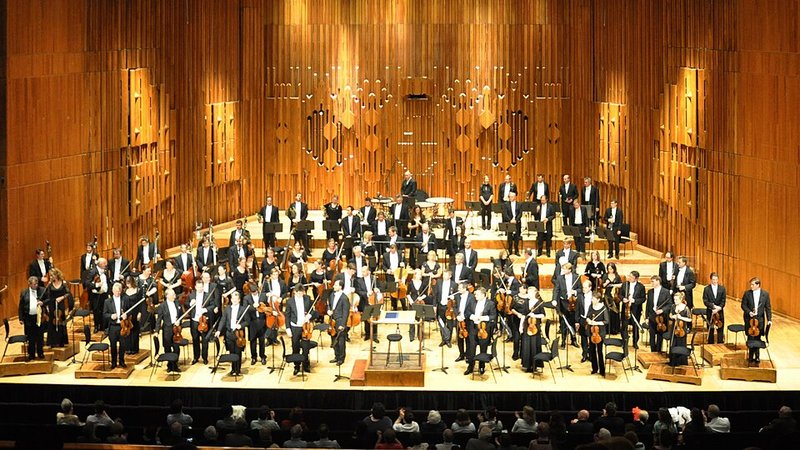
A symphony is a multi-movement composition; an orchestra is the group of musicians that performs it.
Add a custom archive category description here.
A symphony is a multi-movement composition; an orchestra is the group of musicians that performs it.

Government buildings are public facilities that house civic and administrative work. Common examples include capitol or parliament buildings for legislatures, courthouses for courts, city halls and agency headquarters for day-to-day administration, and national libraries or archives that keep official records. In the United States, a prominent legislative example is the U.S. Capitol in Washington, D.C. … Read more
Ethnologue’s 2026 Asia volume catalogs 2,354 living languages; major ones include Mandarin Chinese, Hindi, Bengali, Indonesian, Japanese, and many others across multiple families.

Earhart faced costly flight training, limited opportunities for women pilots, and life-threatening weather and mechanical failures on record flights, as documented by the Smithsonian National Air and Space Museum.
Folklore is a culture’s broad traditional lore; mythology is the body of sacred or foundational myths within that wider tradition.

Dystopian societies typically feature oppressive control, propaganda, surveillance, enforced conformity, and an illusion of a perfect world that hides fear and loss of freedom.
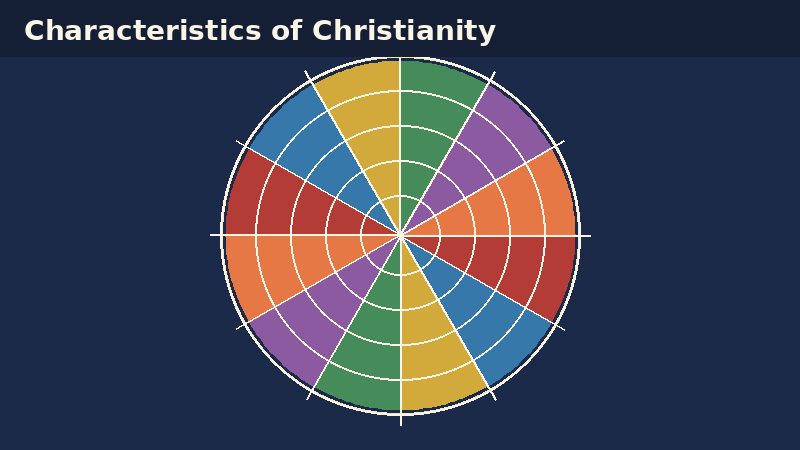
Christianity is monotheistic and centered on Jesus Christ, with the Bible as scripture and the church as the community of believers, per Encyclopaedia Britannica.
Taoism centers on the Dao, harmony with natural order, wuwei (non-forcing action), and simplicity—core ideas summarized from Britannica.
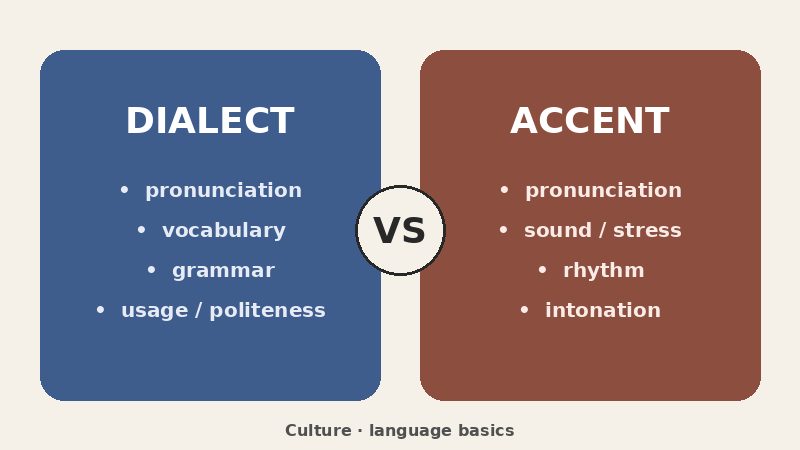
An accent refers mainly to pronunciation. A dialect covers pronunciation plus vocabulary, grammar, and usage differences within a language.
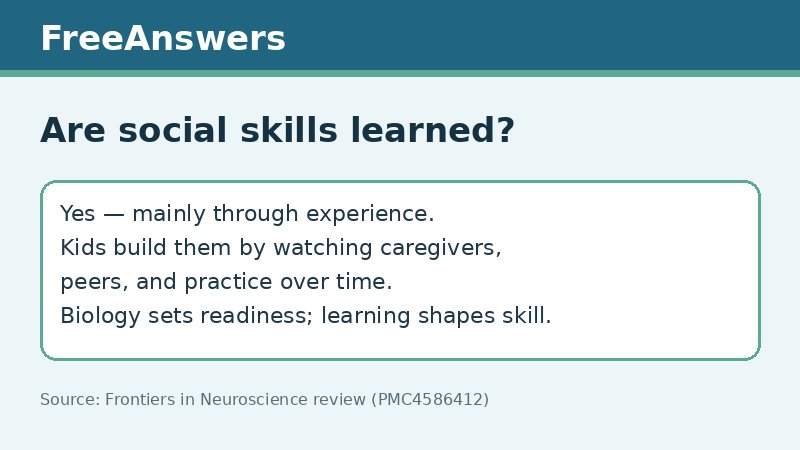
Social skills are mainly learned through experience and practice, building on early predispositions described in developmental neuroscience research.