
Last updated: November 22, 2026
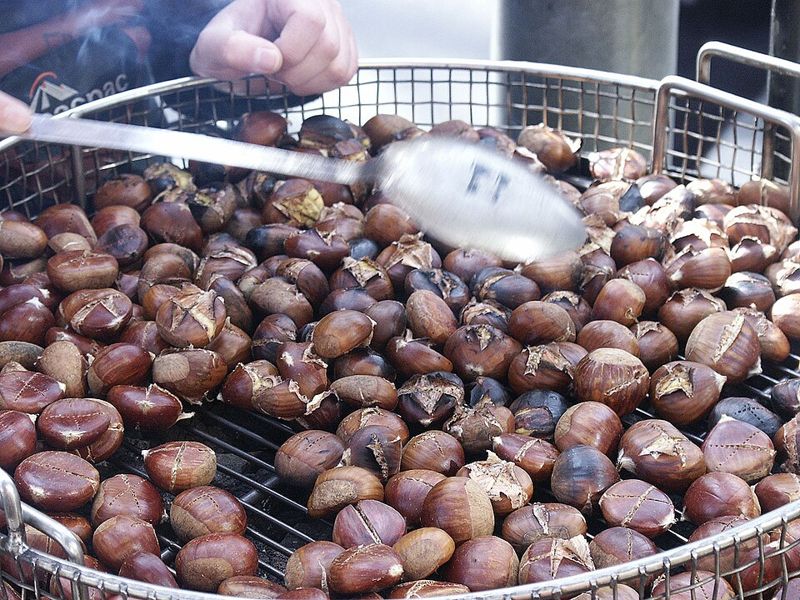
To roast chestnuts, cut a slit or X through the shell of each nut so steam can escape, then roast them at 300 to 375°F for about 15 to 25 minutes. They are done when the shell peels back and the nut is tender. Peel them while still warm.
This guide covers the oven, open fire, microwave and air fryer, plus peeling, storage and how to avoid toxic horse chestnuts.
Contents
- How to roast chestnuts in the oven
- How long to roast chestnuts: times by method
- How to score chestnuts before roasting
- How to roast chestnuts on an open fire
- How to roast chestnuts in the microwave or air fryer
- How to peel chestnuts easily
- How to choose and store chestnuts
- Horse chestnuts vs. sweet chestnuts: which are safe to eat?
- Frequently asked questions
How to roast chestnuts in the oven
The oven is the easiest and most reliable method at home. These steps follow University of Illinois Extension, Michigan State University Extension and Nebraska Extension:
- Heat the oven to 300 to 375°F.
- Wipe the chestnuts clean and discard any that are moldy or cracked.
- Score each nut: cut a slit or an X through the shell and the inner skin on the rounded side, without cutting deep into the nut.
- Spread the chestnuts in a single layer in a shallow pan, cut side up.
- Roast for about 15 to 25 minutes, turning them over or shaking the pan halfway through.
- Check one nut. It is ready when the cut has opened, the shell pulls back and the inside is tender.
- Let them cool just enough to handle, then peel off the shell and the inner skin and eat them warm.
Michigan State gives a simple starting point of about 20 minutes at 300°F. For a more toasted finish, BBC Good Food roasts at 200°C (about 390°F) for 30 minutes. Converting an oven setting? See our Celsius to Fahrenheit conversion guide.
How long to roast chestnuts: times by method
Times vary with nut size, so test one nut before taking the batch off the heat.
| Method | Temperature or setting | Approximate time | Source |
|---|---|---|---|
| Oven, gentle | 300°F | About 20 minutes | Michigan State University Extension |
| Oven, moderate | 300 to 325°F | 15 to 20 minutes | Illinois Extension |
| Oven, hot | 375°F | 15 to 25 minutes, turned halfway | Nebraska Extension |
| Oven, recipe style | 200°C (about 390°F) | About 30 minutes | BBC Good Food |
| Open fire, pan or basket | Over the fire, shaken often | 15 to 20 minutes | Illinois and Nebraska Extension |
| Open fire, in embers | Nestled in hot embers | 15 to 30 minutes | Michigan State University Extension |
| Microwave | High, wrapped in a damp paper towel | 45 seconds to about 2 minutes | Illinois and Michigan State Extension |
| Air fryer | 200°C (about 390°F) | 8 to 10 minutes | BBC Good Food |
| Boiled or steamed | Simmering water or steam | 10 to 15 minutes | University of Illinois Extension |
How to score chestnuts before roasting
Scoring is the one step you cannot skip. Chestnuts hold a lot of moisture, and Michigan State University Extension warns that unscored nuts can cause “a messy and loud explosion.”
Which way to cut chestnuts
- Slit: Illinois Extension says a single slit across the widest part of the nut is enough to prevent bursting. Michigan State suggests scoring about halfway around the nut’s “equator.”
- X or cross: The most common recipe method; the shell peels back clearly when done.
- Depth: Cut through the leathery shell and the thin inner skin (the pellicle), but avoid cutting deep into the nut.
Lay each nut flat side down and use a small, sharp or serrated knife.
How to roast chestnuts on an open fire
For the traditional holiday method, use a long-handled chestnut roasting pan or a wire popcorn basket. Nebraska Extension recommends shaking the pan periodically over the fire for 15 to 20 minutes. Michigan State notes that nestling the nuts in hot embers, rather than open flames, prevents scorching; this takes 15 to 30 minutes depending on the heat.
How to roast chestnuts in the microwave or air fryer
Microwave
Score the nuts, wrap a few at a time in a damp paper towel and microwave on high. Illinois Extension gives 45 to 50 seconds; Michigan State says as little as 2 minutes, because microwaves vary. Start short and add time in small steps.
Air fryer
BBC Good Food cooks scored chestnuts cut side up at 200°C (about 390°F) for 8 to 10 minutes, adding 5 to 10 minutes if the shells have not opened.
How to peel chestnuts easily
Timing matters more than technique. Illinois Extension says peeling is easiest once the nuts are just cool enough to handle, and that the inner skin becomes harder to remove the more they cool.
- Cover the hot chestnuts with a clean towel for a few minutes; trapped steam loosens the skin.
- Pull away both the hard outer shell and the thin, papery inner skin, which tastes bitter.
- If the inner skin sticks, BBC Good Food suggests a one-minute soak in boiling water.
Roasted chestnuts are not crunchy; Illinois Extension compares their texture to a hard cheese. If you are curious about other wild nuts, read whether hickory nuts are edible.
How to choose and store chestnuts
Chestnuts are high in starch and moisture and low in fat, so they spoil faster than most nuts. Illinois Extension recommends buying them close to when you will use them.
What to look for
- Clean, shiny brown shells and very firm nuts that do not dent when pressed.
- No mold on the tan-colored end.
- Discard any nut with blue streaks, a vinegary smell or a slimy feel.
How to store them
Keep fresh chestnuts in a ventilated plastic bag in the refrigerator and use them within a few weeks. Treat roasted, peeled chestnuts like other cooked food; our guide to how long leftovers last covers safe refrigerator and freezer times.
Horse chestnuts vs. sweet chestnuts: which are safe to eat?
Only true chestnuts, from trees in the genus Castanea, are edible. Horse chestnuts and buckeyes (genus Aesculus) look similar but are toxic. Poison Control says horse chestnut seeds are easily mistaken for edible chestnuts and that eating them can cause serious stomach upset.
| Feature | Edible sweet chestnut | Toxic horse chestnut |
|---|---|---|
| Husk | Covered in dense, sharp spines that look furry | Fleshy, bumpy husk with short, widely spaced spikes |
| Nuts per husk | Usually several | Usually one |
| Nut shape | Has a pointed tip or tassel | Round and smooth with no point, often with a pale spot |
| Taste | Starchy and mildly sweet | Very bitter (do not taste to check) |
If someone eats a horse chestnut, Poison Control advises calling 1-800-222-1222 in the U.S. When in doubt, buy chestnuts from a store.
Why chestnuts are a holiday tradition
Nebraska Extension notes that American chestnuts once made up about 25% of eastern U.S. forests, and trainloads of nuts were sold by street vendors during the holidays until chestnut blight, first spotted in 1904, destroyed most of the trees. For another seasonal treat, see how to make eggnog safely at home, and for recipe measurements, our cooking conversion chart.
Frequently asked questions
How long do you roast chestnuts in the oven?
Extension guides give about 15 to 25 minutes at 300 to 375°F, such as about 20 minutes at 300°F. Hotter recipes at about 390°F take around 30 minutes.
Do you have to soak chestnuts before roasting?
No. The extension guides cited here do not call for soaking; scoring the shell is the step that matters.
Can you eat chestnuts raw?
Yes. University of Illinois Extension says all true chestnuts are edible raw or roasted, but roasting improves flavor and makes peeling easier.
How do you know when roasted chestnuts are done?
The cut in the shell opens and peels back, and the nut inside is tender and sweet, not crunchy.
How do you store fresh chestnuts?
Keep fresh chestnuts in a ventilated plastic bag in the refrigerator and use them within a few weeks.
Sources
- University of Illinois Extension: Get to know chestnuts
- Michigan State University Extension: What’s the difference between horse chestnuts and sweet chestnuts?
- Nebraska Extension in Lancaster County: American Chestnuts
- Poison Control: Horse chestnuts are toxic
- BBC Good Food: Roast chestnuts (with oven and air fryer methods)