
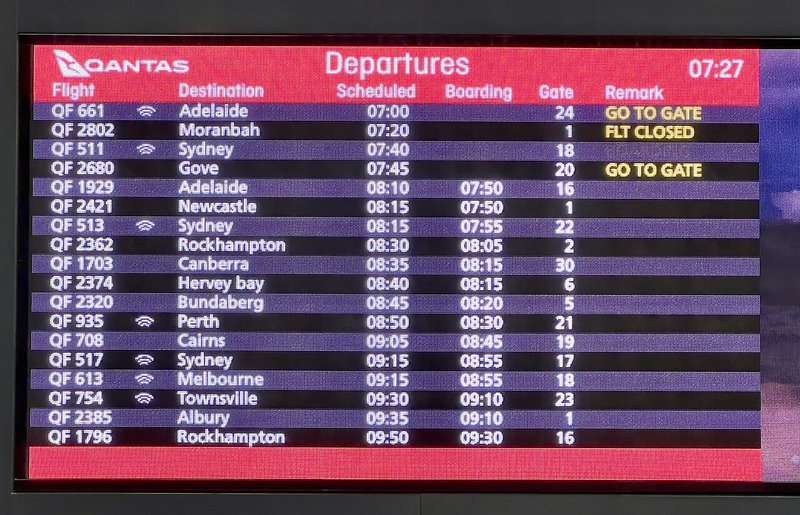
Under U.S. Department of Transportation rules in 14 CFR § 260.2, a significantly delayed or changed flight is a covered itinerary the carrier changes so that any of these happen: you are set to leave three or more hours earlier on a domestic trip (six or more internationally); arrive three or more hours later domestically (six or more internationally); leave from or arrive at a different airport; face more connections than booked; or are downgraded to a lower class of service. Extra triggers apply for passengers with disabilities (a different connecting airport, or a substitute aircraft missing needed accessibility features).
If the airline makes such a change and you choose not to travel on the new itinerary (and reject offered alternatives, credits, or vouchers), you are entitled to a refund of the airfare plus taxes and ancillary fees under 14 CFR § 260.6. Airline policies can still be more generous than these federal floors.
Source: 14 CFR § 260.2 (Definitions), Electronic Code of Federal Regulations via Cornell LII
Image: Flight departure board at Brisbane Airport, December 2022 by Kgbo, CC BY-SA 4.0, via Wikimedia Commons.
Related answers
- What is a red-eye flight?
- What is the difference between a direct flight and a nonstop flight?
- How long do airlines have to issue a refund?