
LPC70 is a soy lysolecithin, a soy-derived phospholipid ingredient in which lysophosphatidylcholine (LPC) makes up more than 70% of the phospholipids. In a mouse study from Fujita Health University in Japan, developed with the food-ingredient maker Tsuji Oil Mills, mice fed a high-salt diet developed higher blood pressure, weaker object-recognition memory, and less social interaction; adding LPC70 to their diet lowered blood pressure and improved both behaviors.
The researchers found the compound worked differently by organ: in the kidneys it reduced salt-driven increases in COX-2 and the PGE2 receptor EP3, which are linked to hypertension, while in the prefrontal cortex it restored the protective PGD2 receptor DP1. The results come only from mice, and the authors say clinical studies are needed before any benefit in people can be claimed. The study appeared in Neurochemistry International (vol. 197, 2026; DOI 10.1016/j.neuint.2026.106184).
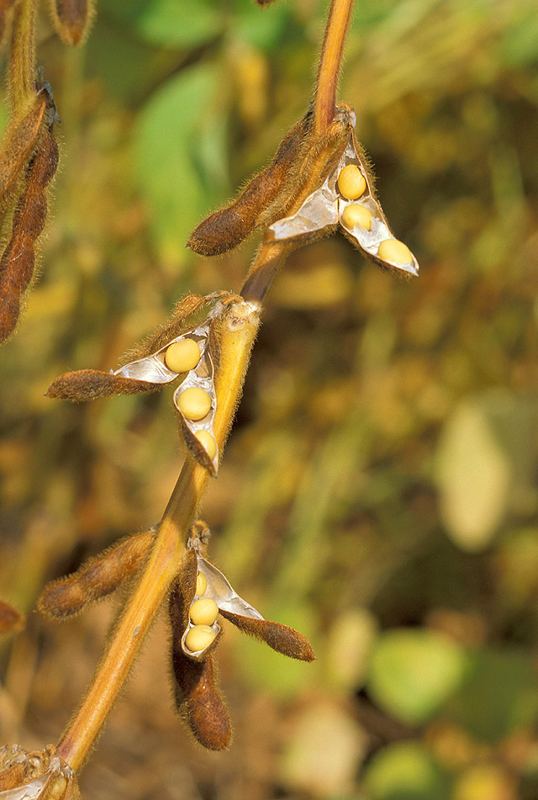
Image: mature soybean pods, U.S. Department of Agriculture, public domain, via Wikimedia Commons.
Related answers
- How high are the northern lights?
- Do insects have compound eyes?
- Are high-density lipoproteins good?