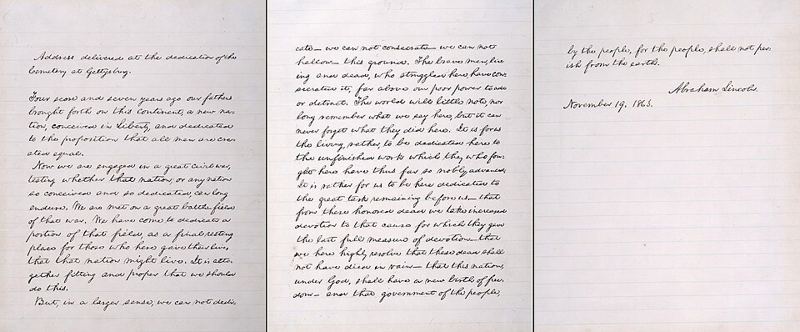
A primary source is a first-hand record created by someone who took part in or witnessed an event, usually at the time it happened, while a secondary source is second-hand: it is created later, typically by someone who was not there, and summarizes, interprets, reviews, or criticizes events or works (Library of Congress, “What is a primary source?”). Primary sources include letters, diaries, eyewitness accounts, photographs, recordings, statistical data, manuscripts, and original artworks; secondary sources include textbooks, encyclopedias, biographies, and scholarly analyses.
For example, President Lincoln’s Gettysburg Address is a primary source, while an article about Lincoln is a secondary source; an original Mary Cassatt painting is primary, while a book about Cassatt is secondary. Memoirs and oral histories recorded years later still count as primary sources, although records made closest to the event are usually the most useful for research. The label can also depend on the question being asked: an opinion column is secondary for studying an event but primary for studying how people reacted to it (UNSW Library).
Source: Library of Congress, Ask a Librarian: “What is a primary source?”.
Image: Gettysburg Address, Bliss copy, handwritten by Abraham Lincoln. Public domain, via Wikimedia Commons.