
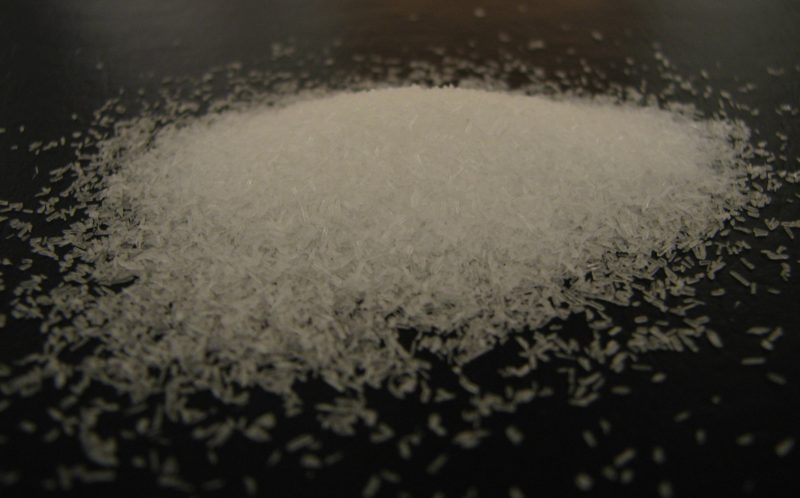
Yes. The U.S. Food and Drug Administration considers adding monosodium glutamate (MSG) to food to be “generally recognized as safe” (GRAS).
MSG is the sodium salt of glutamic acid, an amino acid found naturally in the body and in foods such as tomatoes and cheese. Many people describe themselves as sensitive to MSG, but in studies that gave those people either MSG or a placebo, scientists could not consistently trigger reactions. In the 1990s the FDA asked the Federation of American Societies for Experimental Biology (FASEB) to review MSG, and its report concluded MSG is safe. FASEB did note mild, short-lived symptoms such as headache, numbness, flushing, or tingling in some sensitive people who consume 3 grams or more of MSG without food, while a typical serving of food with added MSG contains less than 0.5 grams. For scale, the average adult takes in about 13 grams of glutamate a day from food protein, compared with about 0.55 grams of added MSG. Foods with added MSG must list “monosodium glutamate” in the ingredient panel.
Source: U.S. FDA, Questions and Answers on Monosodium Glutamate (MSG)
Image: MSG crystals by Ragesoss, public domain, via Wikimedia Commons.