Free operating systems are operating systems whose software you are allowed to run, study, change, and share, and which are normally available at no charge. The best-known examples are Linux-based distributions such as Debian, Fedora, and Ubuntu, along with BSD systems such as FreeBSD. Proprietary systems such as Windows and macOS are not free in this sense, even when their updates cost nothing.
Debian is a typical case: the Debian Project describes itself as an association of people who build a free operating system that runs on the Linux kernel (or the FreeBSD kernel) with tools from the GNU project, plus more than 70,000 software packages, all of them free. Debian also notes that if you pay for an installation disc or a download service, you are paying for the delivery medium, not for the software itself.
Source: Debian: About Debian
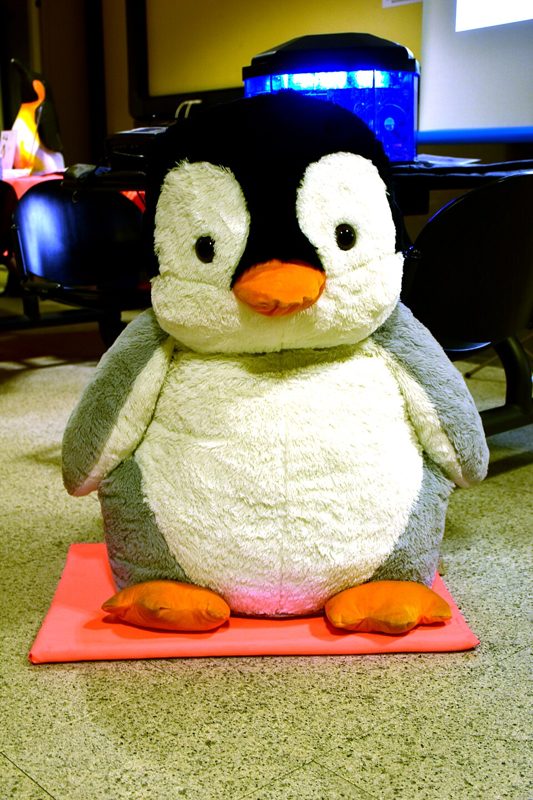
Image: Giant Linux Tux mascot at Linux Day 2022 in Milan, by Kowalski7cc, CC0, via Wikimedia Commons.