
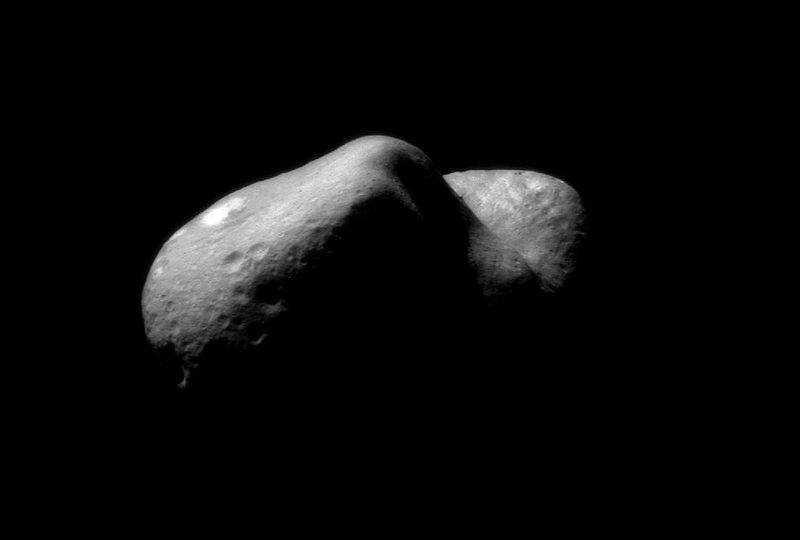
The main difference is size: an asteroid is a small rocky body orbiting the Sun that is smaller than a planet, while a meteoroid is a much smaller, roughly pebble-size piece of rock or debris traveling through space.
According to NASA Space Place, most asteroids in our solar system are found in the main asteroid belt between Mars and Jupiter, though some follow orbits that bring them near Earth. Meteoroids often start out as parts of asteroids: when one asteroid smashes into another, small pieces can break off, and those fragments are meteoroids. Meteoroids can also come from comets. The names change as a meteoroid interacts with Earth. If it enters Earth’s atmosphere and vaporizes, the streak of light it makes is called a meteor, sometimes nicknamed a shooting star. If part of it survives the trip and lands on the ground, that piece is called a meteorite. Because asteroids formed about 4.6 billion years ago, meteorites help scientists learn what the early solar system was like.
Source: NASA Space Place, Asteroid or Meteor: What’s the Difference?
Image: Asteroid 433 Eros, NASA/NEAR Project (JHU/APL), public domain, via Wikimedia Commons.