What is the difference between strong and weak bases?
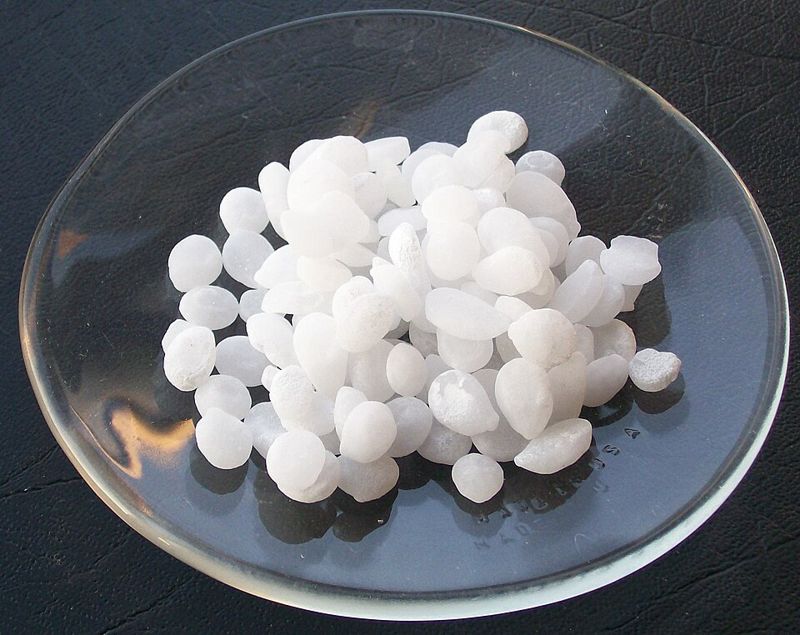
A strong base such as sodium hydroxide ionizes completely in water, while a weak base such as ammonia only partly reacts with water to form hydroxide ions.
Add a custom archive category description here.
A strong base such as sodium hydroxide ionizes completely in water, while a weak base such as ammonia only partly reacts with water to form hydroxide ions.
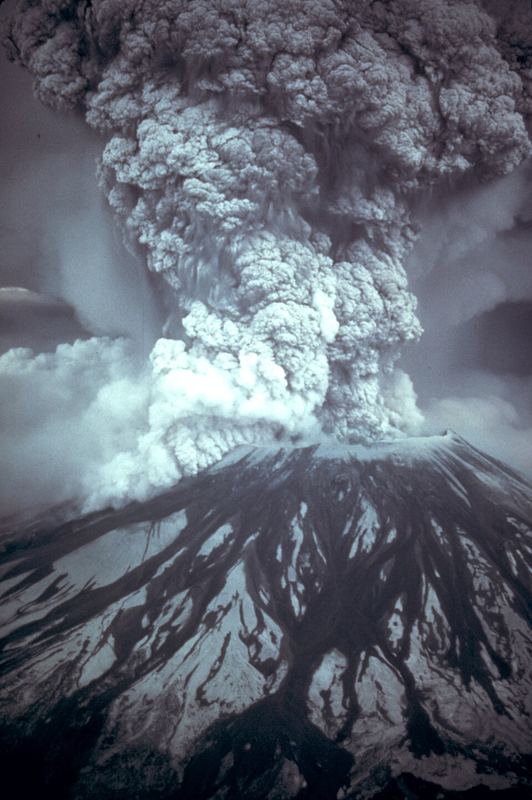
Stratovolcanoes, or composite volcanoes, are steep, conical volcanoes built from layers of viscous lava, ash, and pyroclastic flows, and they are known for explosive eruptions.
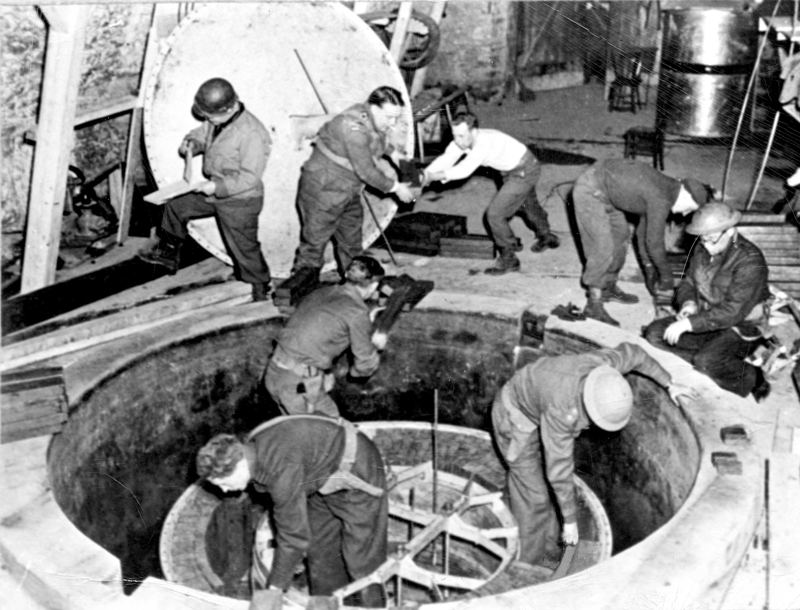
Not very close, according to a new analysis. Germany’s last reactor experiment, the B8 pile that Werner Heisenberg’s team assembled at Haigerloch in 1945 using cubes of natural uranium suspended in heavy water, never reached criticality (a self-sustaining chain reaction). Heisenberg later said it needed only a modest amount of extra uranium, but researchers led … Read more
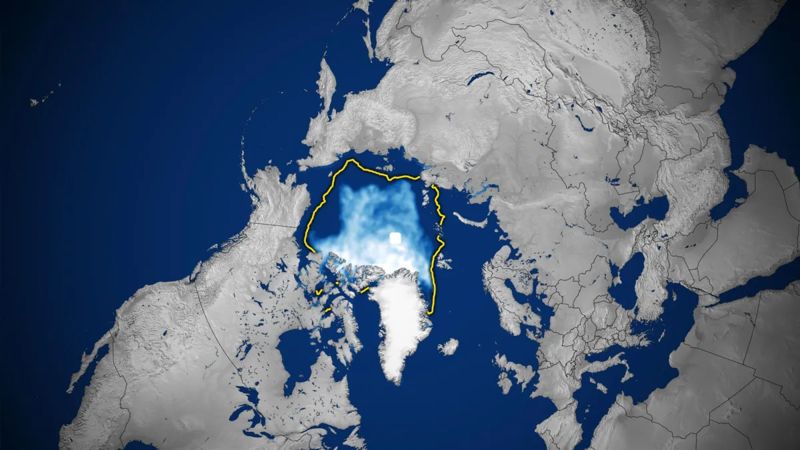
Arctic sea ice reached its 2026 annual minimum on September 12, covering about 4.6 million square kilometers (1.78 million square miles). According to NASA and the National Snow and Ice Data Center, that tied 2008, 2010, and 2025 for the 10th-lowest minimum since satellite records began in late 1978. The smallest extent on record is … Read more
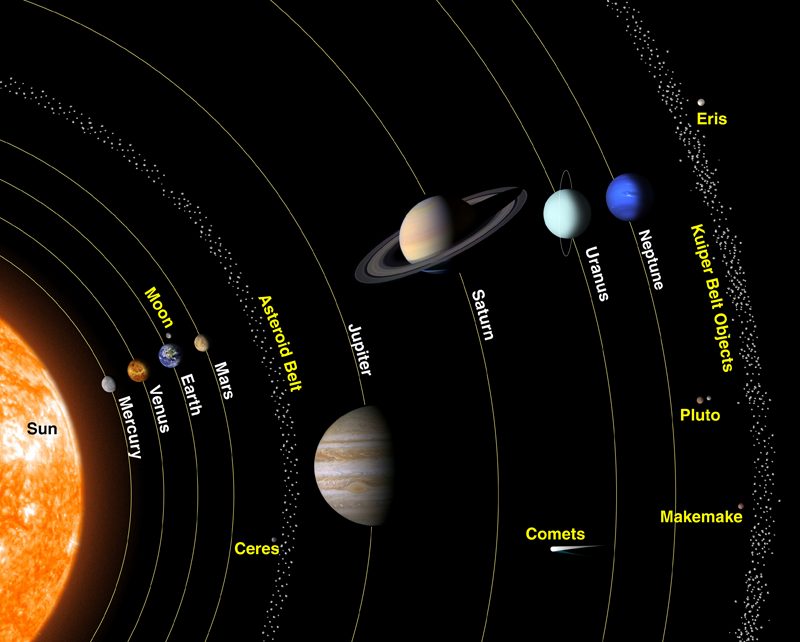
Celestial bodies are natural objects in space such as stars, planets, dwarf planets, moons, asteroids, and comets; astronomers often use the term interchangeably with astronomical object.
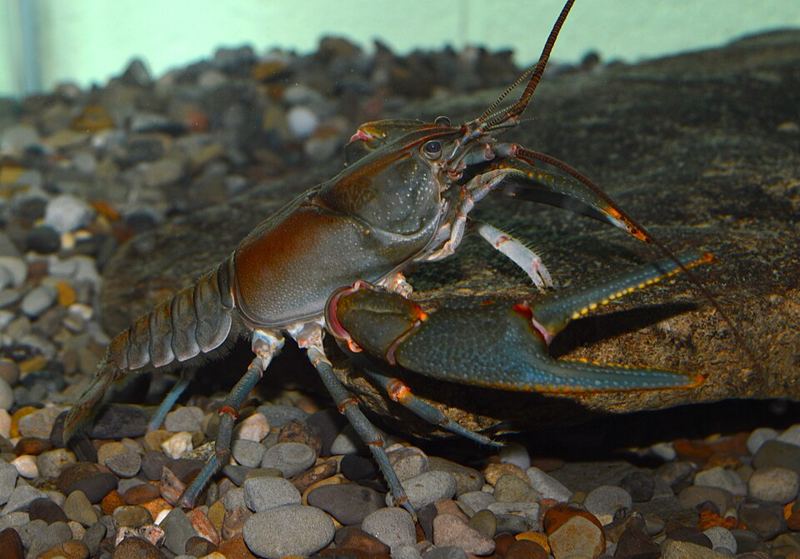
The largest known North American crayfish is a Tennessee bottlebrush crayfish held in the Astacology Collection at West Liberty University in West Virginia. Collected in 2011 by Zac Loughman and West Liberty students, it measures 86.6 millimeters (about 3.4 inches) in body length, not counting its tail, claws, or antennae. The record comes from a … Read more
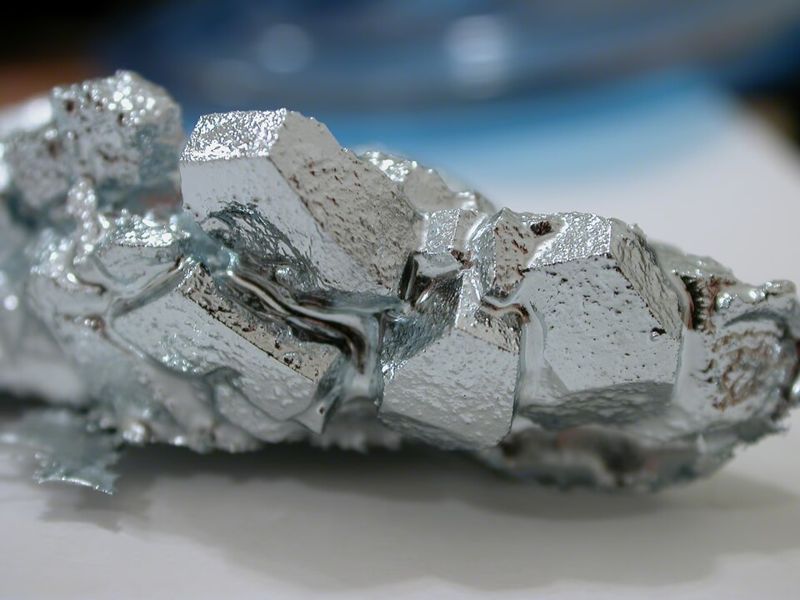
The gallium anomaly is a long-standing neutrino physics puzzle: experiments that fired electron neutrinos from radioactive sources into gallium detectors recorded about 20% fewer captures than theory predicted. In the capture reaction, an electron neutrino turns a gallium-71 nucleus into germanium-71 and releases an electron. The shortfall, first glimpsed in the 1990s, clearly stated in … Read more

Simple diffusion and facilitated diffusion are both forms of passive transport: substances move from an area of higher concentration to an area of lower concentration without the cell spending ATP. In simple diffusion, small nonpolar molecules such as oxygen and carbon dioxide slip through the plasma membrane’s lipid core on their own. In facilitated diffusion, … Read more
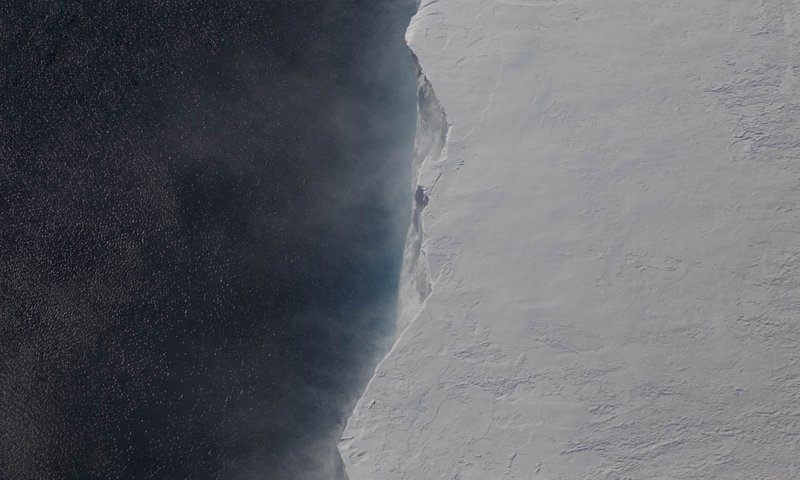
Not necessarily. A Science study reported on October 15, 2026, by researchers at MIT and the Woods Hole Oceanographic Institution analyzed more than 15,000 Antarctic ice cliffs measured by NASA’s ICESat-2 satellite from 2019 to 2023. Marine ice-cliff instability (MICI) holds that cliffs taller than about 100 meters should collapse under their own weight and … Read more
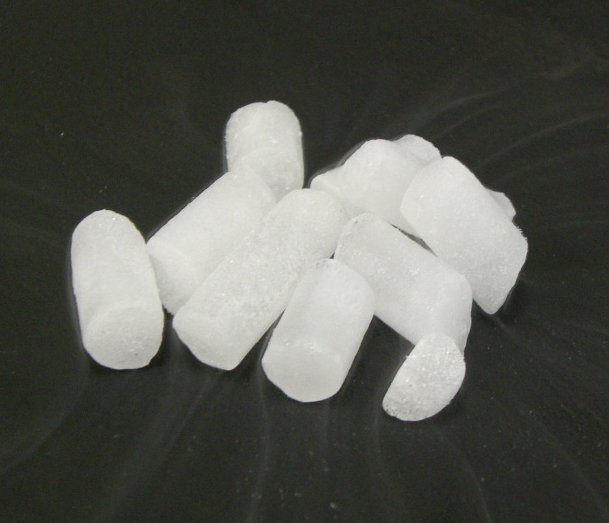
Dry ice is about −109.3 °F (−78.5 °C) at 1 atmosphere of pressure. It is solid carbon dioxide that sublimates directly into gas, and it can cause cold burns on bare skin.